
 Business License
Jiangsu Wodon: Chromium Carbide Overlay Wear Solutions from China's Advanced Manufacturing Base
When a mining operation in Chile needed 400 square meters of chromium carbide overlay wear plate for a SAG mill feed chute rebuild, they faced a familiar sourcing dilemma. Local suppliers quoted 8-week lead times at prices that would overrun the maintenance budget by roughly 30%. European manufacturers offered shorter delivery but at nearly double the per-square-meter cost. The mine's procurement team turned to an alternative that has become increasingly common in global industrial supply chains: sourcing directly from a specialized manufacturer in China's industrial heartland.
The supplier they chose was Jiangsu Wodon Wear Resistant New Material Co., Ltd. — a company that has spent over a decade building its reputation as a focused producer of chromium carbide overlay wear plates, hardfacing flux core wire, and chromium carbide wear pipe. This article provides an overview of Wodon's capabilities, manufacturing depth, and the infrastructure that supports its role in the global wear protection supply chain.
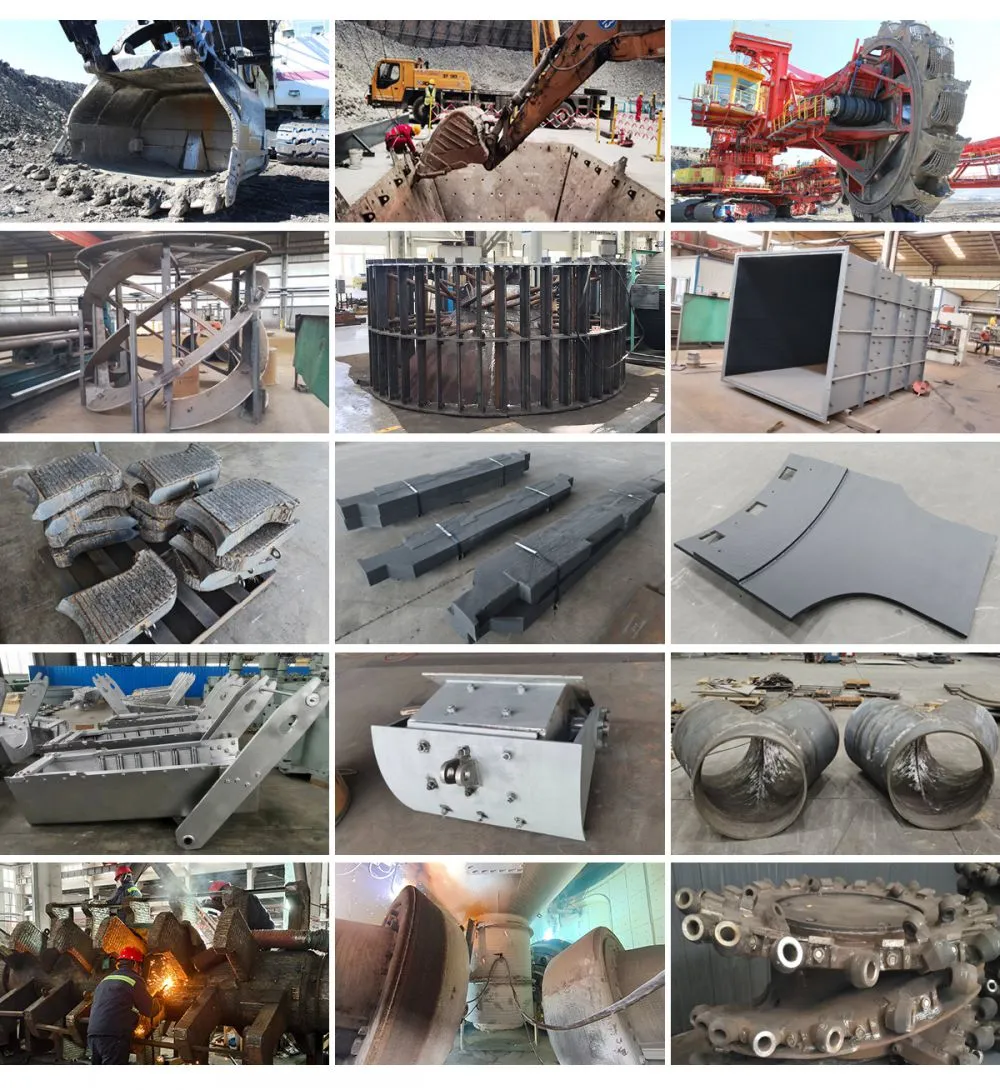
1. Company Background and Scale
Founded in 2014, Jiangsu Wodon Wear Resistant New Material is headquartered in Jiangsu province, one of China's most developed industrial manufacturing regions. The company employs over 500 staff, including a dedicated research and development team of roughly 60 engineers. Its business model is vertically focused: Wodon does not trade in general steel products or distribute third-party materials. The company manufactures its own chromium carbide overlay products from base plate to finished overlay, controlling the entire production chain.
The sales organization — a team of 11 to 20 professionals — supports customers across all major industrial regions. Annual export value falls in the range of US$10 million to US$50 million, reflecting a business that has grown from a domestic-focused startup to an internationally active manufacturer. This export scale is supported by shipping access through three ports: Lianyungang, Tianjin, and Shanghai, giving Wodon geographic flexibility in container routing and freight cost management.
The company's manufacturing profile is that of a mid-sized industrial specialist — large enough to handle multi-container orders with consistent quality, small enough to provide technical attention to individual customer applications. This scale positions Wodon between the commodity-level plate suppliers who offer price but no technical support, and the boutique fabricators who offer engineering depth but cannot meet volume delivery requirements.
2. Product Range: Focused on Chromium Carbide Overlay Technology
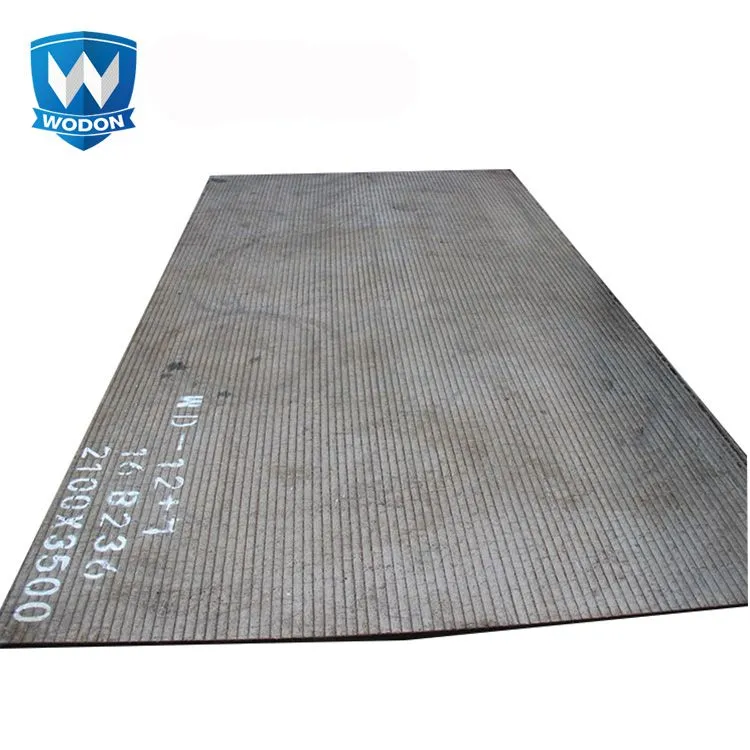
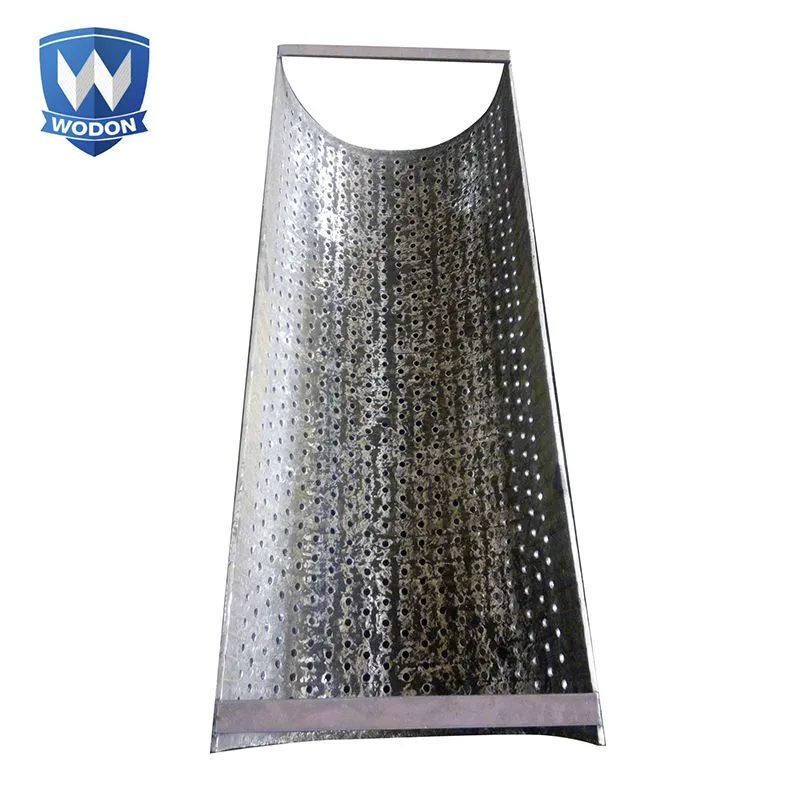
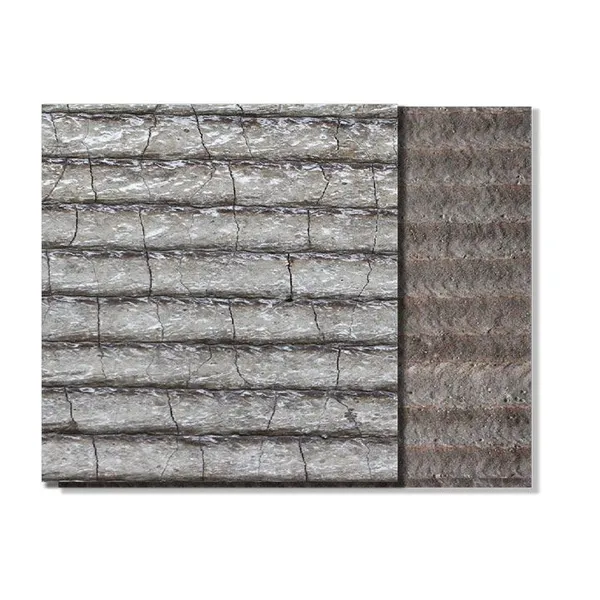
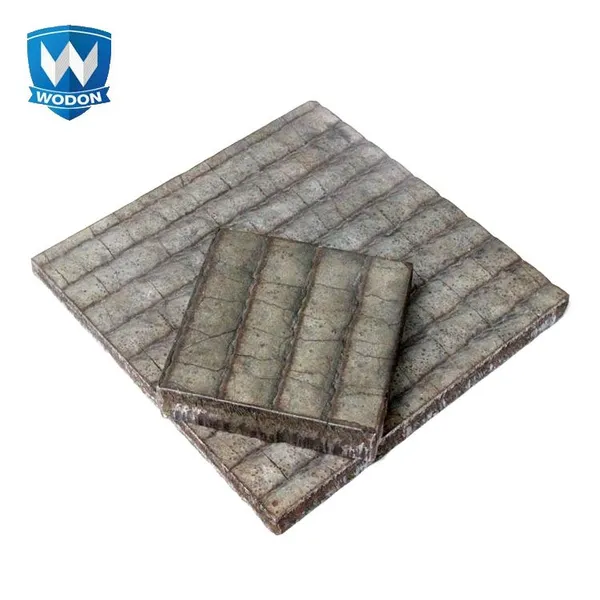
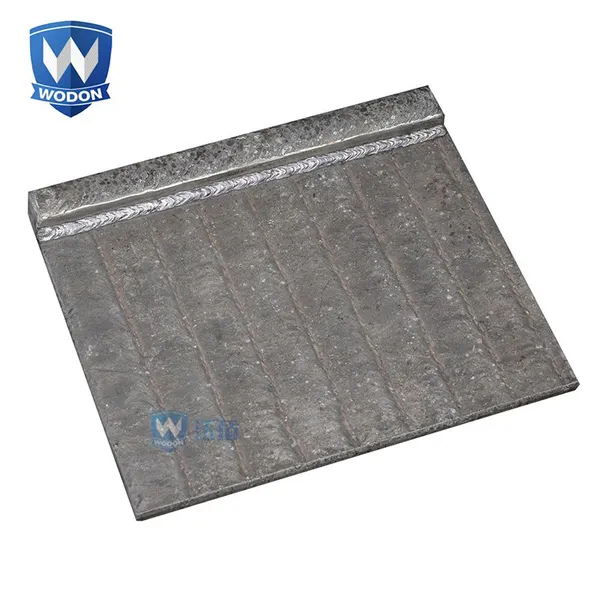
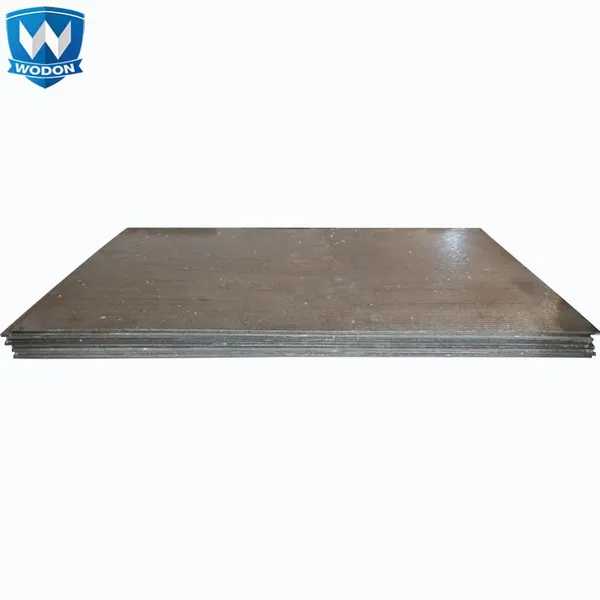
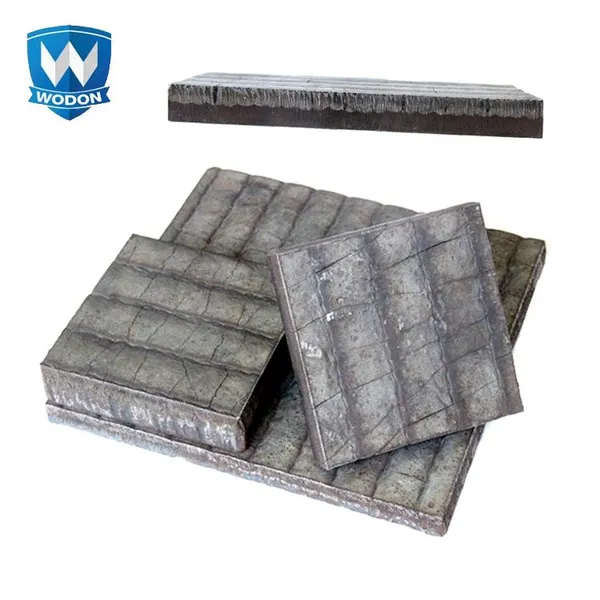
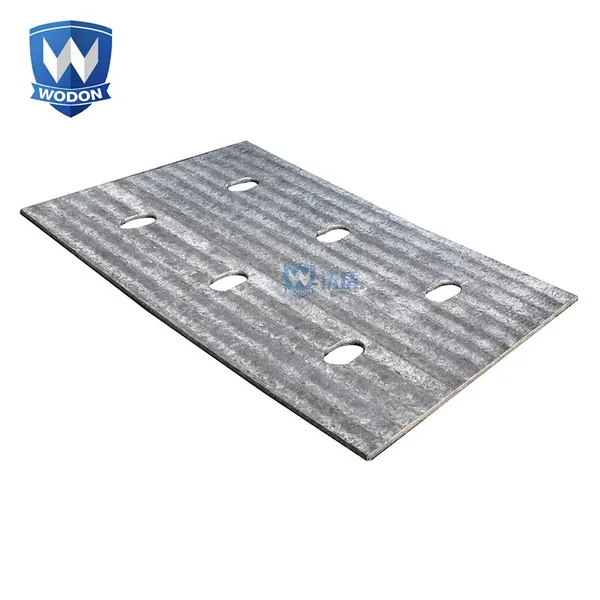
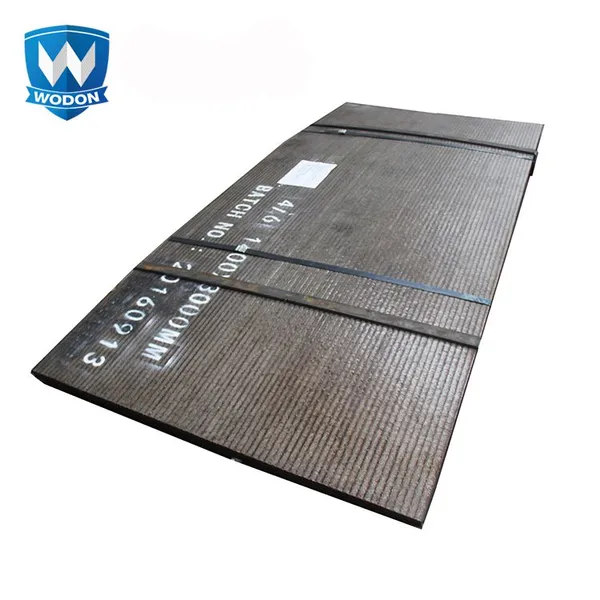
Wodon's product line centers on three categories, all built around chromium carbide overlay technology. The core product is the chromium carbide overlay wear plate, produced in configurations ranging from 6+3 for light abrasion service to 10+8 for heavy impact and severe wear conditions. Plates are manufactured on carbon steel base plates — typically Q235 or Q345 — with single-pass or multi-pass overlays applied using open arc or submerged arc welding processes.
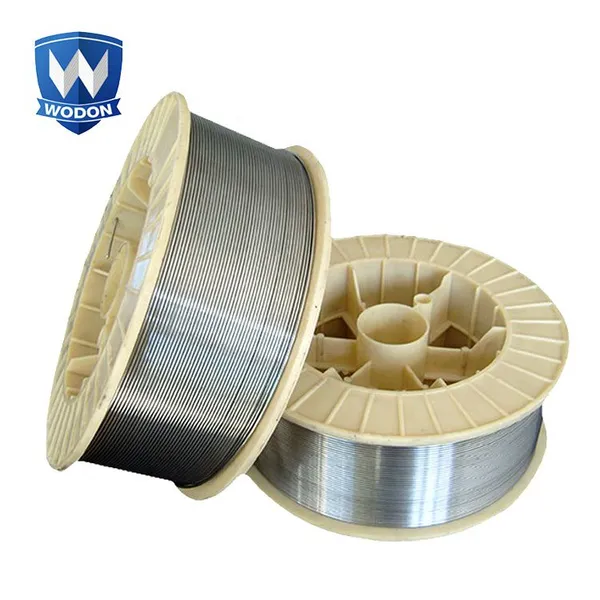
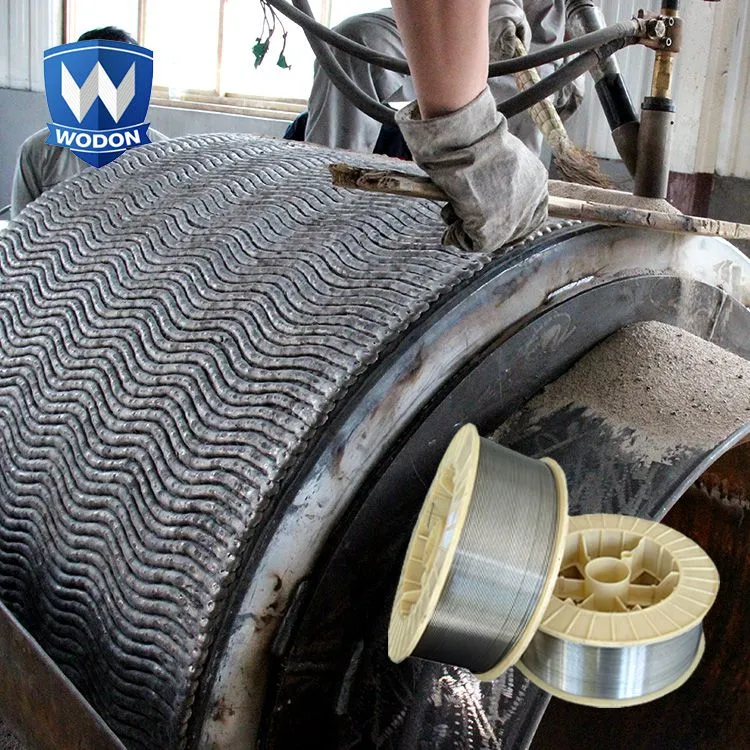
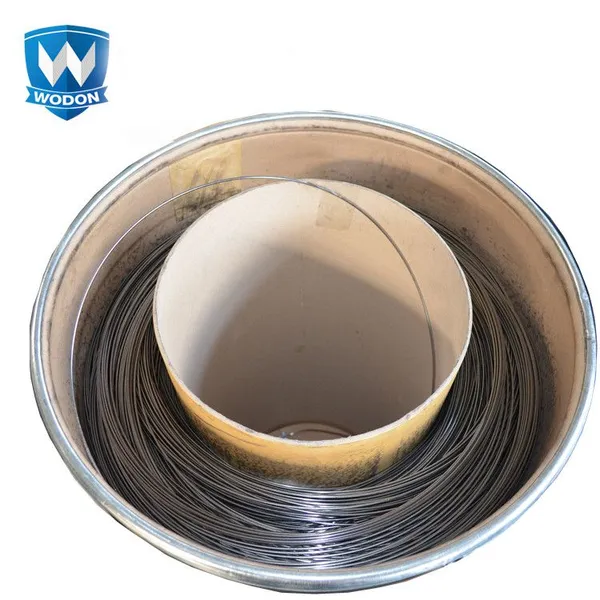
The second product category is hardfacing flux core wire, the consumable material used both in Wodon's own plate production and sold directly to customers for on-site hardfacing and repair work. The wire is available in diameters typically ranging from 1.6 mm to 3.2 mm, in self-shielded and gas-shielded variants. Customers who operate their own welding equipment can purchase the wire to rebuild worn equipment surfaces in place — roller press segments, crusher hammers, fan blades — without removing components from the machine.
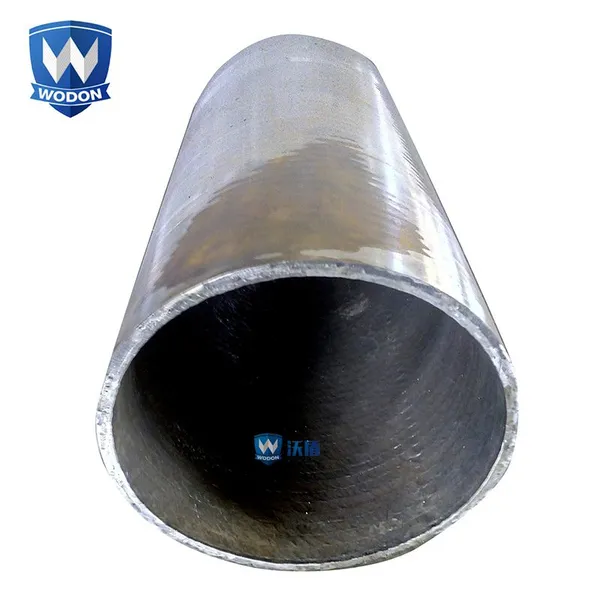
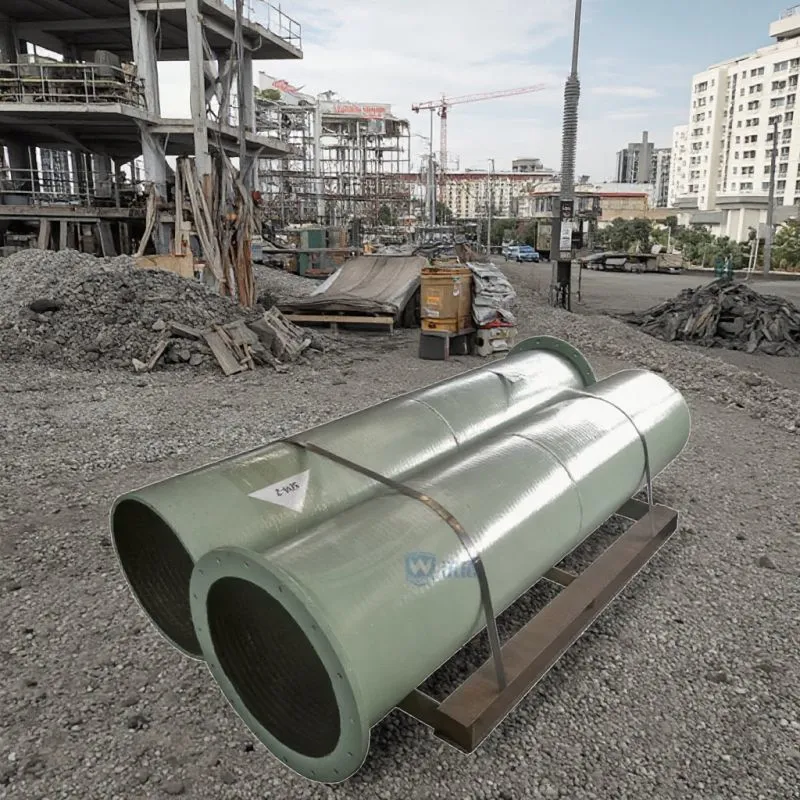
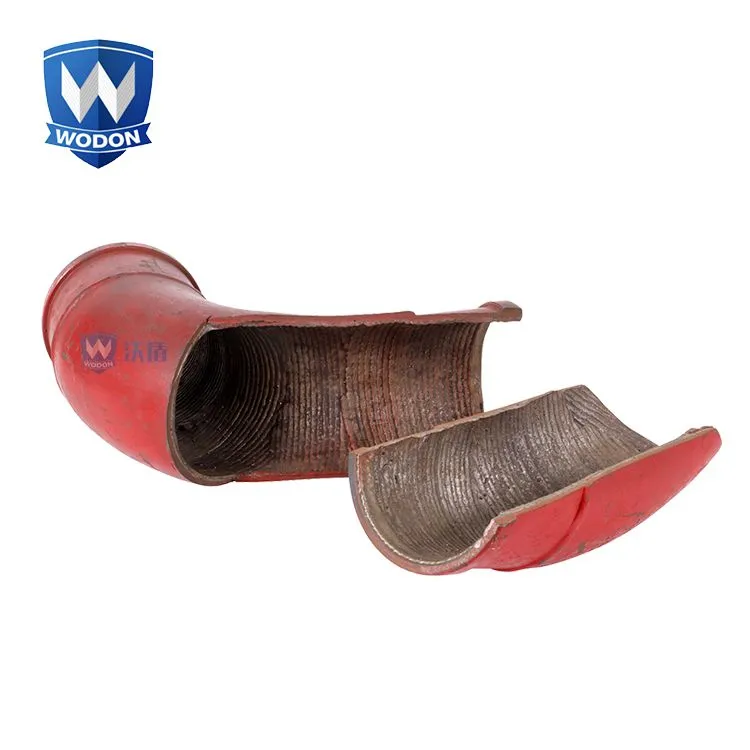
The third category is chromium carbide wear pipe, produced by forming CCO plate into tubular sections with the overlay on the inner diameter. These pipes serve pneumatic conveying systems, ash handling lines, and slurry transport applications where both the pipe wall and the conveyed material create a continuous wear challenge. Standard diameters range from roughly 100 mm to 1,000 mm, with custom sizes produced to order.
This product range is deliberately narrow. Wodon does not produce general structural steel, stainless steel sheet, or non-overlay abrasion-resistant plate. The specialization allows process knowledge to accumulate across thousands of production runs, leading to consistent overlay quality and predictable wear performance.
3. Research, Development, and Technical Depth
The R&D team of roughly 60 engineers is the foundation of Wodon's technical capability. The company holds independent intellectual property rights and multiple patents related to chromium carbide overlay formulation and welding process control. These are not marketing claims — they represent documented process innovations that translate into measurable product characteristics: carbide volume fraction, crack pattern uniformity, and bond integrity at the overlay-to-base-plate interface.
Beyond the in-house engineering team, China Wodon maintains relationships with experts and professors in the wear-resistant materials field who serve as technical consultants. This connection to academic research complements the practical, production-floor knowledge accumulated through daily manufacturing operations. The combination helps Wodon stay current with advances in carbide metallurgy while remaining grounded in the realities of cost-effective production.
The company's investment in technology extends beyond formulation chemistry to production equipment and process monitoring. Welding parameters — arc voltage, current, travel speed, interpass temperature — are controlled and documented for each production batch. This parameter control is what distinguishes a consistently manufactured overlay plate from one whose properties vary from run to run based on operator judgment alone.
4. Manufacturing Process and Quality Systems
Production at Wodon follows a structured workflow from incoming material inspection through final dimensional checking. The process begins with base plate material verification — mill test certificates are checked against purchase specifications, and steel chemistry and mechanical properties are confirmed before the plate enters the overlay welding station.
The overlay welding itself is the critical step. Whether using open arc or submerged arc, the welding parameters are set to match the intended service conditions of the finished plate. A plate destined for a high-impact crusher chute receives different heat input and cooling rate than a plate intended for a low-impact sliding wear application. The resulting microstructure — carbide size, distribution, and volume fraction — is tailored to the wear mechanism the plate will face.
Post-welding quality checks include surface hardness testing across multiple points on each plate, visual inspection of the crack pattern for uniformity and coverage, and ultrasonic bond testing or bend testing on sample coupons from each production batch. Dimensional checks verify total thickness, flatness, and cut dimensions against the order specification. These quality records are compiled into a documentation package that ships with the plates, giving the customer traceability from the installed plate back to the specific production run and welding parameters.
5. Export Infrastructure and Global Reach
Wodon ships from three ports — Lianyungang, Tianjin, and Shanghai — providing routing flexibility that helps manage freight costs and transit times to different destination regions. Lianyungang serves as a cost-effective port for bulk shipments. Shanghai offers the widest selection of container shipping lines and the fastest sailing frequencies. Tianjin provides efficient routing to North Asian and North American West Coast destinations.
The company's export markets span all major industrial regions, as shown in the table below.
| Region | Key Markets | Typical Applications |
|---|---|---|
| North America | USA, Canada, Mexico | Mining chute liners, cement plant ducts |
| South America | Chile, Peru, Brazil | Copper and iron ore processing, SAG mill feed chutes |
| Europe | Germany, Poland, UK, Scandinavia | Steel mill sinter plants, power station ash handling |
| Southeast Asia | Indonesia, Vietnam, Thailand | Coal handling, dredging, quarry equipment |
| Middle East & Africa | Saudi Arabia, UAE, South Africa | Cement plants, phosphate mining, aggregate processing |
| Oceania | Australia, New Zealand | Iron ore and gold mining, bauxite handling |
| East Asia | Japan, South Korea | Steel mills, power generation, recycling equipment |
Export experience across this diverse geographic base means Wodon has encountered most of the logistical challenges that arise in international wear plate supply: container loading for mixed plate sizes, protection against saltwater corrosion during ocean transit, customs documentation for steel products, and coordination with freight forwarders at destination ports. This logistical knowledge is part of the value a specialized exporter delivers — ensuring plates arrive on site undamaged and on schedule, not just well-manufactured.
6. Industries and Applications Served
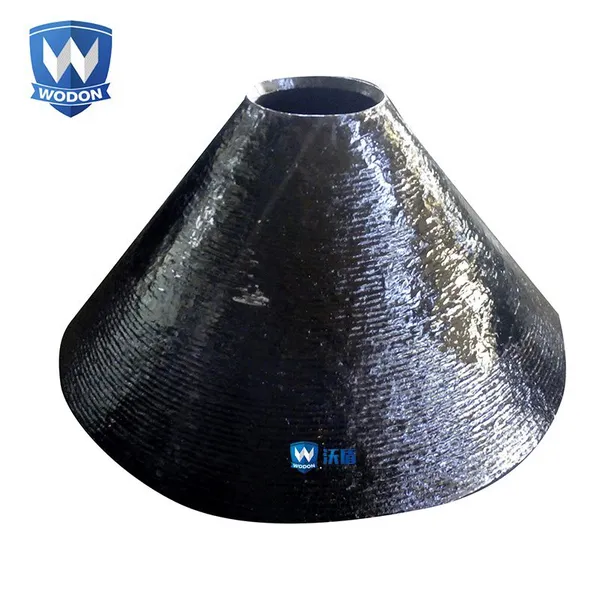
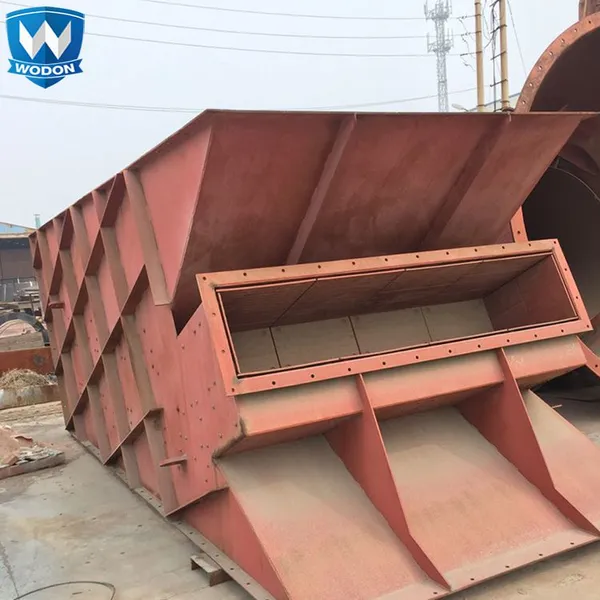
Wodon's products find use wherever bulk abrasive materials move across steel surfaces. The mining sector is the largest customer base, with CCO wear plates applied in crusher feed and discharge chutes, conveyor transfer points, hopper liners, screen undersize pans, and mill feed systems. Cement plants use Wodon plates in raw mill ductwork, separator cones, clinker handling chutes, and fan blade protection. Steel mills apply them in sinter plant chutes, coke handling systems, and blast furnace charging equipment.
Power generation is another significant market. Coal-fired power stations use chromium carbide wear pipe and plate in pulverizer internals, ash handling pipelines, and flue gas desulfurization ductwork where both abrasion and corrosion resistance are required. Dredging companies use CCO plates on cutter suction dredger wear shoes, pump casings, and barge loading chutes. Across these diverse industries, the common requirement is a wear material that extends maintenance intervals and reduces unplanned downtime.
7. Customer Service Model: From Inquiry to Delivery
Wodon's customer engagement process starts with application review. Rather than simply quoting a price from a catalog, the technical team asks questions about the service conditions: the material being handled, particle size and hardness, throughput rate, operating temperature, and the type of wear observed on the existing liners. This information shapes the plate configuration recommendation — overlay thickness, base plate grade, carbide formulation, and attachment method.
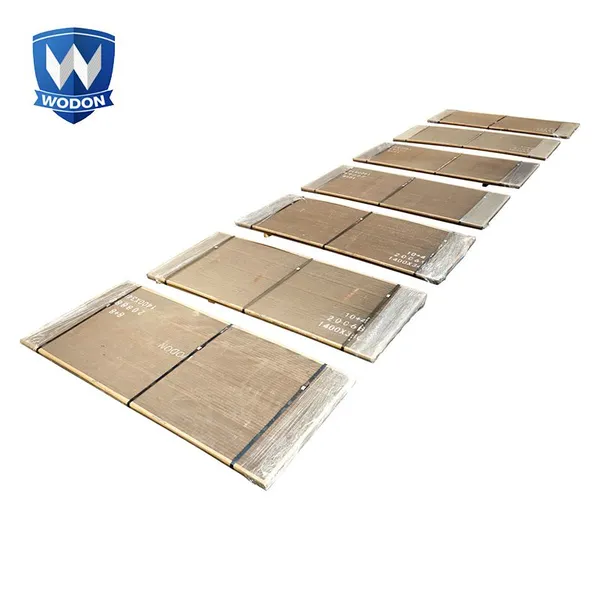
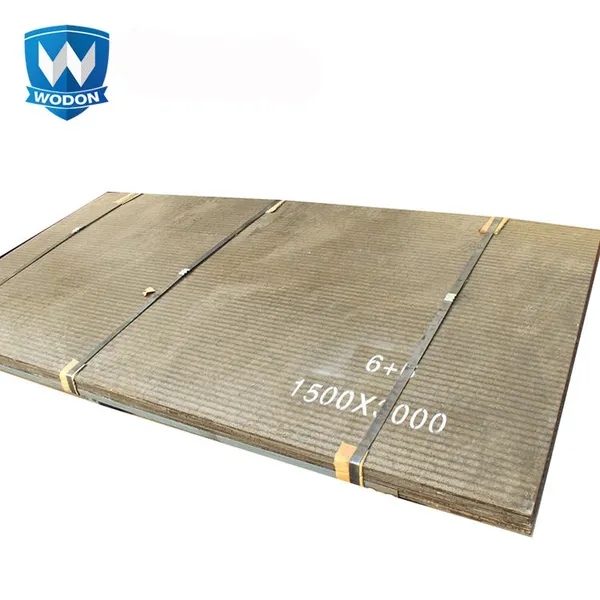
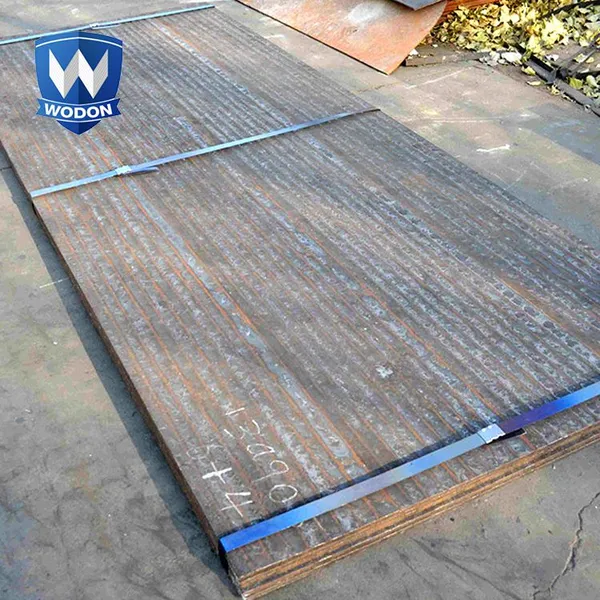
Once the specification is agreed, production scheduling begins. Standard plate configurations can ship from inventory. Custom sizes, special base plate grades, and large-quantity orders are manufactured to the agreed delivery schedule. The plates are packaged for export — typically on wooden pallets with protective edge strips, steel banding, and waterproof covering — and loaded into containers at the designated port.
Shipping documentation includes the commercial invoice, packing list, bill of lading, and the quality documentation package (mill certificates, hardness reports, inspection records).
After delivery, the company provides installation guidance: recommended welding procedures, electrode types, preheat requirements, and attachment patterns. This support continues through the installed life of the plates. When wear eventually reaches the replacement threshold, the accumulated service data — actual wear rate, wear pattern, any unexpected failure modes — feeds back into the specification for the next order, creating a continuous improvement loop between field performance and factory production.
8. Frequently Asked Questions
8.1 Where is Jiangsu Wodon located, and why does the location matter?
Wodon is headquartered in Jiangsu province, one of China's most industrialized regions with a dense network of steel mills, fabrication shops, and logistics infrastructure. Proximity to steel plate suppliers ensures consistent base plate availability at competitive cost. Access to three major ports — Lianyungang, Tianjin, and Shanghai — provides container shipping options to all major global markets. The regional concentration of manufacturing expertise also means access to skilled welding technicians and engineers familiar with hardfacing processes.
8.2 What certifications or quality standards does Wodon follow?
Wodon's quality control process includes incoming material verification against mill test certificates, in-process welding parameter monitoring, and post-production testing (hardness, ultrasonic bond inspection, dimensional checks). Test certificates and inspection reports are provided with each shipment. While the company's specific third-party certifications should be confirmed directly, the documented quality process — from base plate verification through final dimensional checking — is the operational mechanism that ensures product consistency regardless of which certification logos appear on the documentation.
8.3 Can Wodon supply custom-sized CCO wear plates?
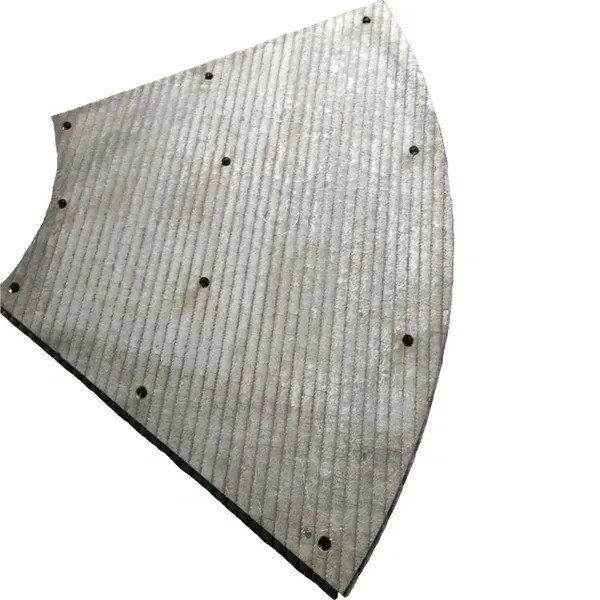
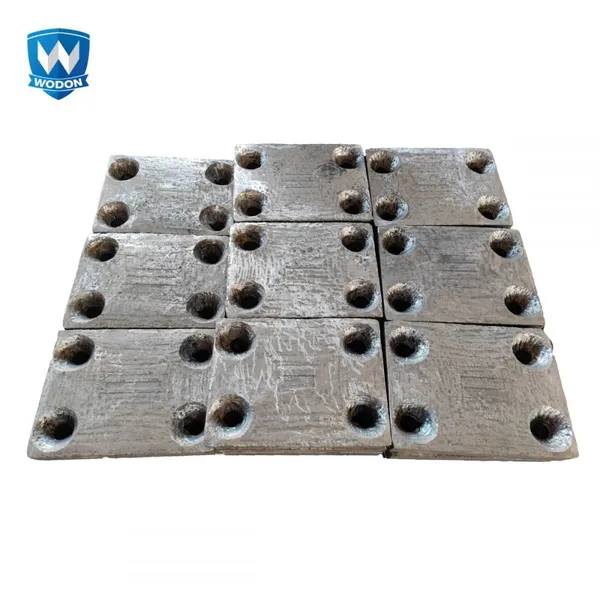
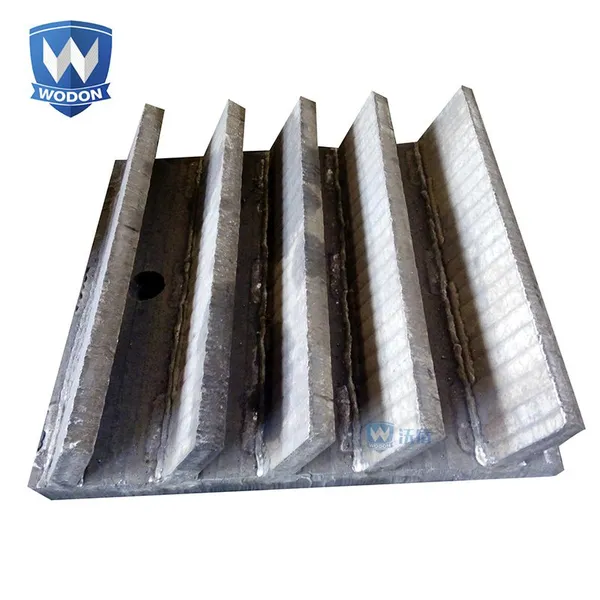
Custom sizing is a standard service, not a special request. Plates can be cut to customer-specified dimensions, drilled for bolt patterns, and rolled to radius for curved applications. Providing detailed dimensional drawings with the inquiry allows the technical team to confirm feasibility and provide an accurate quotation. Pre-fabricated plates reduce on-site cutting and fitting work, which can be a significant cost savings for customers without in-house plasma cutting or forming capability.
8.4 How does Wodon handle export logistics for large orders?
Export shipments are coordinated through the three available ports, with the choice of port depending on the destination, container availability, and sailing schedule. Plates are packaged on wooden pallets with edge protection and waterproof covering for ocean transit. For mixed-size orders — common when a chute rebuild requires multiple plate dimensions — the packing plan is designed to maximize container utilization while preventing plate movement during transit. Standard shipping documentation (commercial invoice, packing list, bill of lading, quality certificates) is provided, and the sales team coordinates with the customer's freight forwarder or nominated shipping line.
Recently Posted
-
CCO Wear Plate Applications in Mining: Chutes, Hoppers, and Crusher Liners
August 13, 2026An iron ore mine in Western Australia was replacing the discharge chute liners on its primary crusher every 11 weeks. The 12 mm mi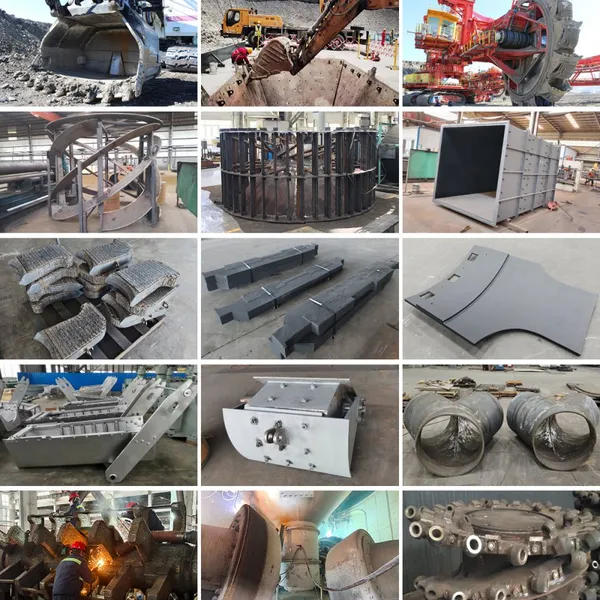 Read More
 -
How to Choose the Right Chromium Carbide Overlay Wear Plate: A Procurement Guide
August 11, 2026A cement plant in North Africa ordered 120 square meters of chromium carbide overlay wear plate for a clinker conveyor chute rebui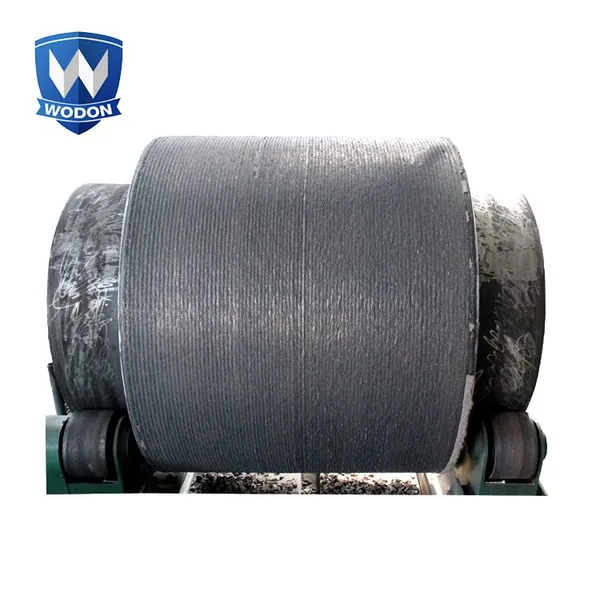 Read More
 -
CCO Wear Plate vs. Hard Chrome Plating: Comparing Wear Protection Methods
August 10, 2026A hydraulic cylinder manufacturer in Germany faced a recurring warranty claim: the chrome-plated piston rods on their mining excav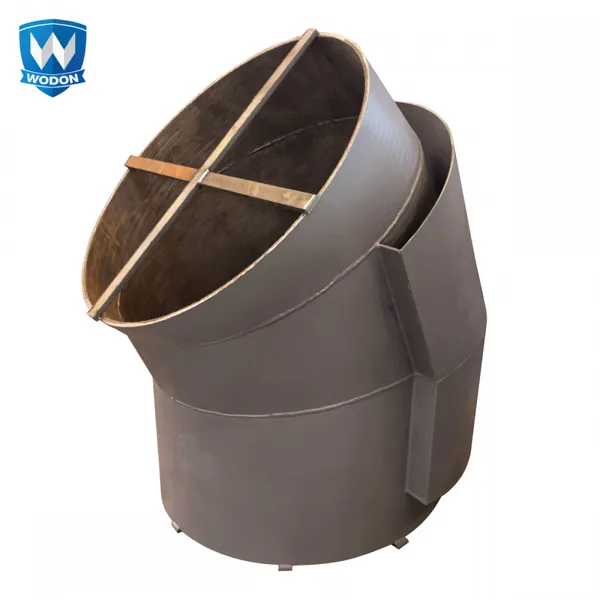 Read More
 -
Chromium Carbide Overlay Wear Plate: What It Is and How It Works
August 7, 2026A copper mine in South America was losing roughly 14 days of production every quarter. The culprit was not the ore body or the pro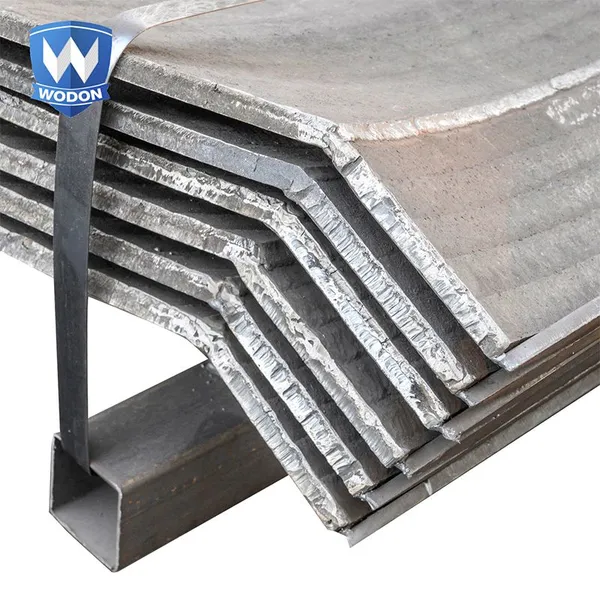 Read More

Contact Us
Recommended Products
-
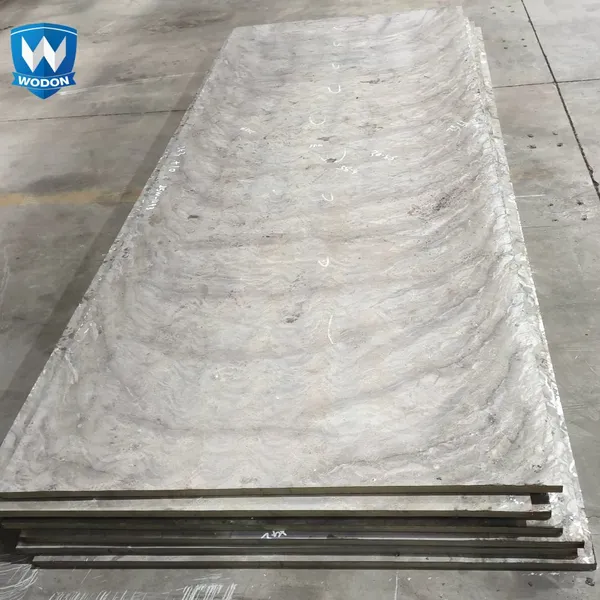
 Chromium Carbide Overlay Wear Plate WD-1900 Smooth Surface CCO Wear PlateNegotiableMOQ: 1 Square Meter
 -
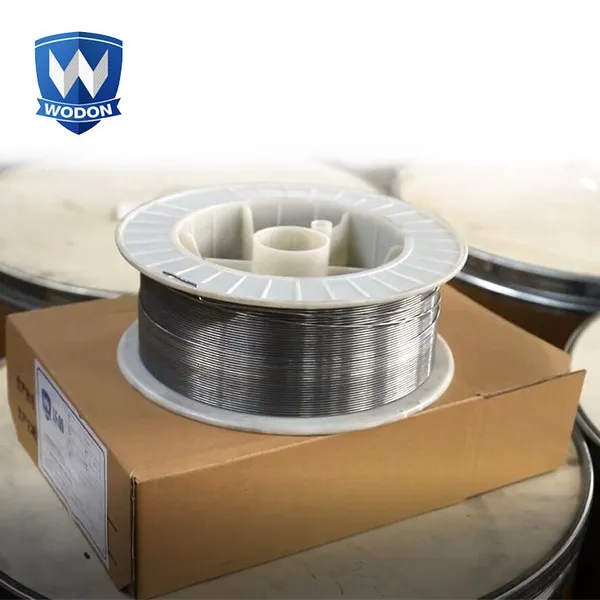
Hardfacing Wear Resistant Flux Cored Welding Wire With High HardnessNegotiableMOQ: 1 Kilogram
-
High Abrasion Resistant Hardfacing Wear Liners Chromium Carbide Overlay Cco Bimetallic Wear PlateNegotiableMOQ: 1 Square Meter
-
Chrome Carbide Wear Resisting Plate High Wear Steel Plate Wear Liner Platebimetallic Wearable Lining Plate Bucket ExcavatorCHF 300 - 300MOQ: 1 Square Meter
-
Wodon Customizable Steel Flux Cored Welding Wire Manufacturer's Valve Surfacing Gas Shielding OEM SupportUS$ 4.02 - 4.02MOQ: 1 Kilogram
-
Abrasive Resistence Wear Parts Overlay Carbon Chromium Steel PlateNegotiableMOQ: 1 Square Meter
-
Wear Plates for Heavy Duty Mining Applications High Chromium Carbide Overlay Abrasion Resistant and Customizable SizesNegotiableMOQ: 1 Square Meter
-
Hardfacing Truck Liner Plate Chromium Carbide Overlay Wear Plate Cladded PlateNegotiableMOQ: 1 Square Meter
-
Custom Overlaying Wear Plate - Economical Choice for Durable Industrial Applications, High-Quality Fabrication, 55HRC HardnessNegotiableMOQ: 1 Square Meter
-
Wear Abrasion Resistant Overlay High Carbon High Chromium Steel PlateNegotiableMOQ: 1 Square Meter
-
Wear Resistant Steel Plate 6mm 8mm 12mm Thickness Hot Rolled Carbon Steel Plate Wear PlateNegotiableMOQ: 1 Square Meter
-
Bimetallic Cco Clad Composite Overlay Hardfacing Wear Resistant Steel PlateNegotiableMOQ: 1 Square Meter
-
High-Performance Wear Plates for Cement Mills Chromium Carbide Overlay Long Service Life Reliable PerformanceNegotiableMOQ: 1 Square Meter
-
Wear Resistant Steel Plate Liners for Chutes Special Use Wear LinersNegotiableMOQ: 1 Square Meter
-
Cco Hardfacing Surfacing Tungsten Carbide Wear Resistant Plates Liner for SilosNegotiableMOQ: 1 Square Meter
-
Wodon Chromium Alloy Bimetal Hardfacing Plate for Mining MachineryCHF 300 - 300MOQ: 1 Square Meter
-
Hardfacing Abrasion High Wear Resistant Performance Cladding Plate TubeUS$ 399.69 - 399.69MOQ: 1 Square Meter
-
Hardfacing Plates for Manufacture Industry Value High Chrome Wear PlateUS$ 100 - 300MOQ: 1 Square Meter
-
Customizable OEM/ODM Wear-Resistant Soldering & Surfacing Flux Cored Welding WiresUS$ 9.9 - 9.9MOQ: 1 Kilogram
-
Chromium Carbide Round Pipe 6m and 12m Lengths Bending & Cutting Services Welding Technique Saw TechniqueUS$ 6 - 6MOQ: 1 Square Meter