
 Business License
CCO Wear Plate vs. Hard Chrome Plating: Comparing Wear Protection Methods
A hydraulic cylinder manufacturer in Germany faced a recurring warranty claim: the chrome-plated piston rods on their mining excavator cylinders were wearing through in roughly 8 months of service. The hard chrome plating, deposited to a thickness of roughly 0.1 mm, was simply too thin to handle the combination of fine silica dust and high-cycle sliding motion. Each failed rod cost the manufacturer roughly €2,400 in replacement parts and field service labor. After two years of escalating claims, they began testing chromium carbide overlay wear plate alternatives for the most severely worn components.
The switch reduced rod wear to manageable levels, but the real insight was that hard chrome plating and CCO wear plate occupy fundamentally different positions in the wear protection landscape. Neither is universally superior — each excels in conditions the other handles poorly. This article compares the two technologies across the dimensions that matter in industrial practice: wear layer thickness, hardness, bonding mechanism, temperature limits, repairability, and cost structure.
1. What Is Hard Chrome Plating and How Does It Work?
Hard chrome plating is an electroplating process in which a layer of chromium metal — typically 0.025 mm to 0.25 mm thick — is deposited onto a prepared steel surface from a chromic acid bath. Direct current passes through the bath, reducing hexavalent chromium ions to metallic chromium on the workpiece surface, which serves as the cathode. The resulting deposit is metallic chromium with a hardness in the range of roughly 850 to 1,000 HV and a naturally low coefficient of friction.
The plating bond is mechanical and electrochemical. The chromium layer adheres to microscopic surface roughness features created by pre-plating preparation such as grit blasting or acid etching. There is no melting of the substrate and no metallurgical fusion at the interface. This bond mechanism is adequate for low-to-moderate mechanical loads but can fail under heavy impact or when the substrate deforms, causing the brittle chromium layer to crack and spall.
Hard chrome plating is widely used in hydraulic cylinders, piston rings, printing rolls, and mold tooling — applications where thin, hard, low-friction surfaces are required and where the base material itself provides sufficient structural integrity. The process is also used for dimensional restoration of worn shafts and bearing journals, where the plating thickness is built up to return a component to its original diameter.
2. How Chromium Carbide Overlay Wear Plate Differs in Structure and Application
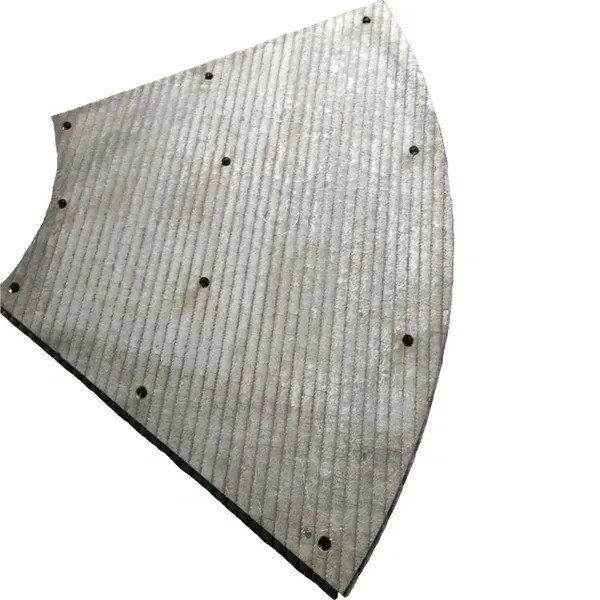
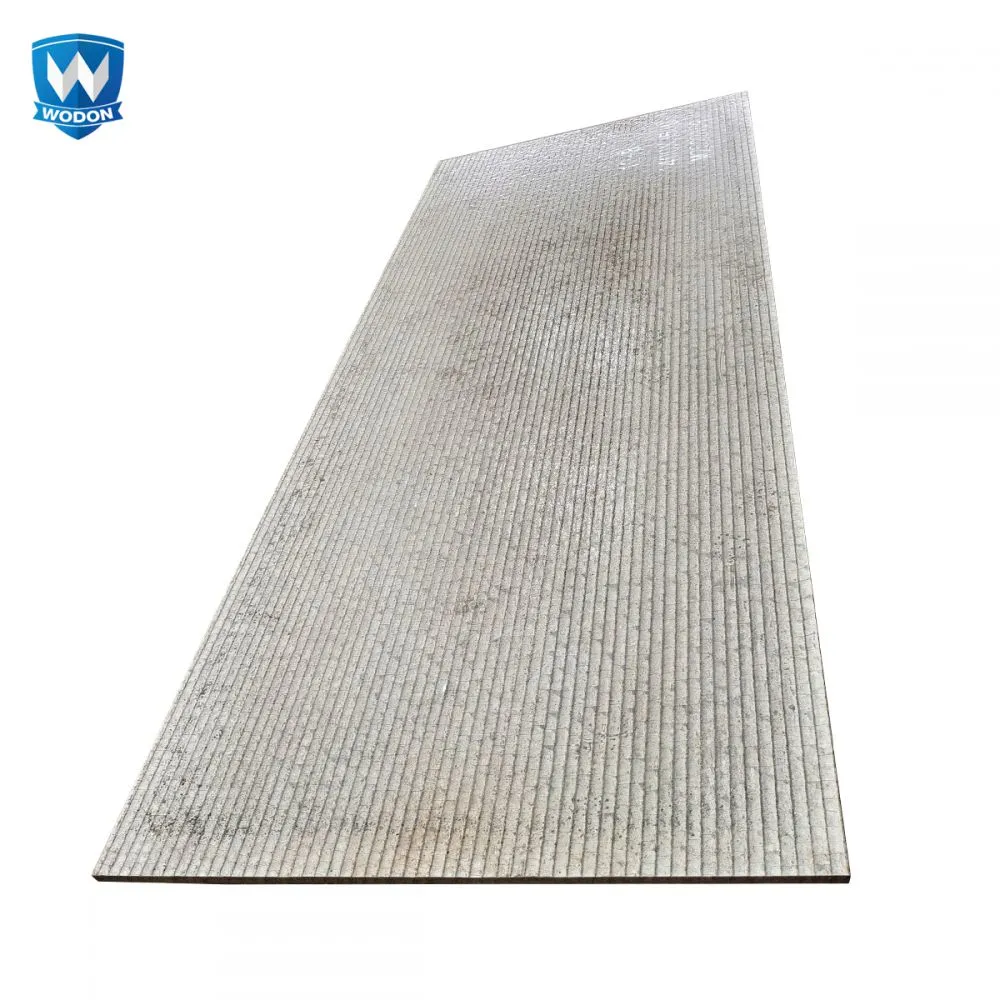
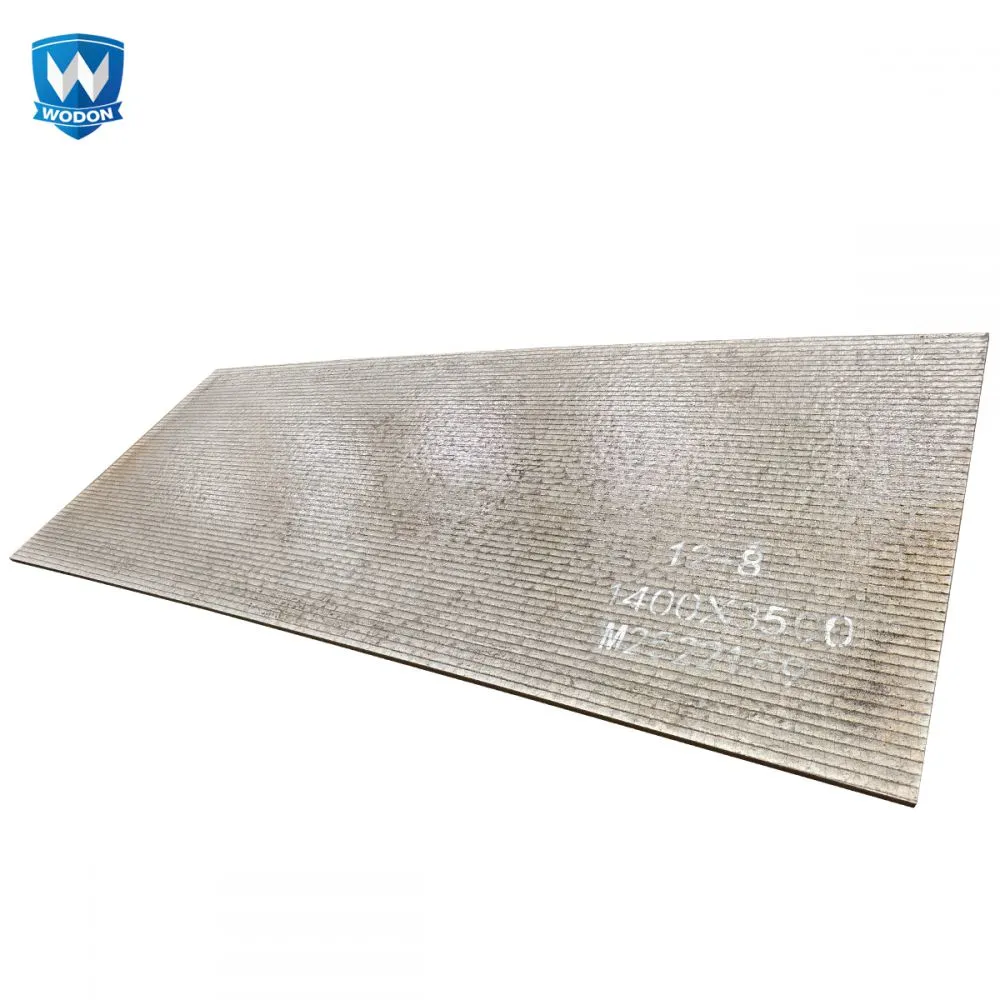
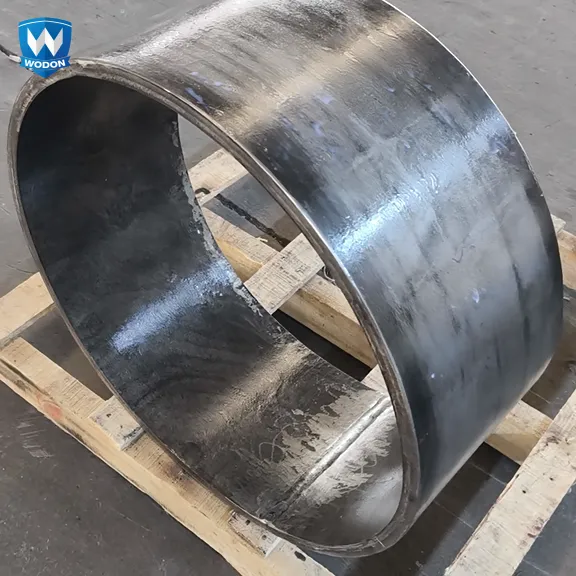
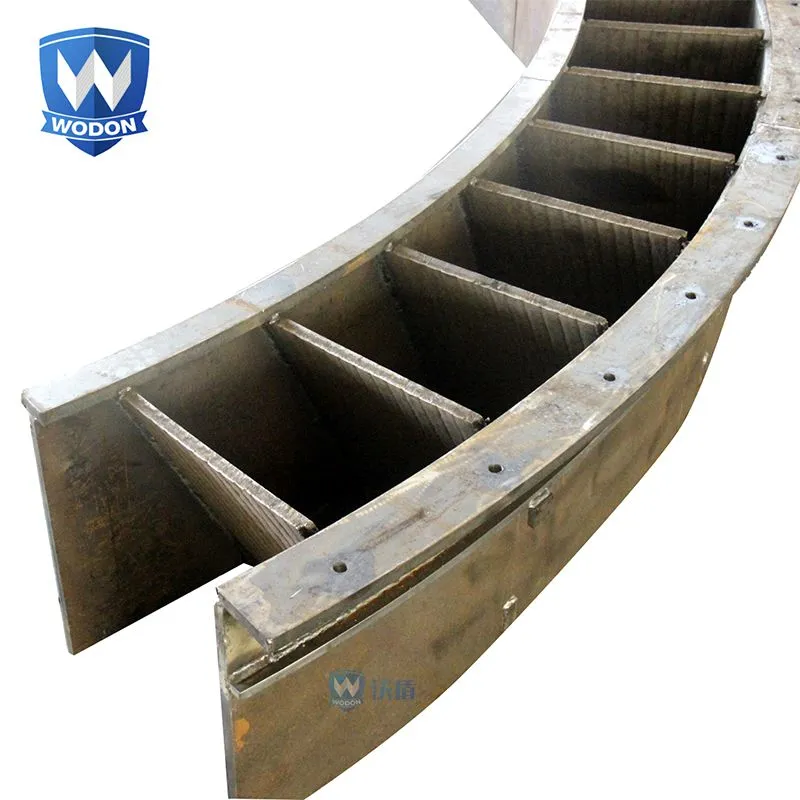
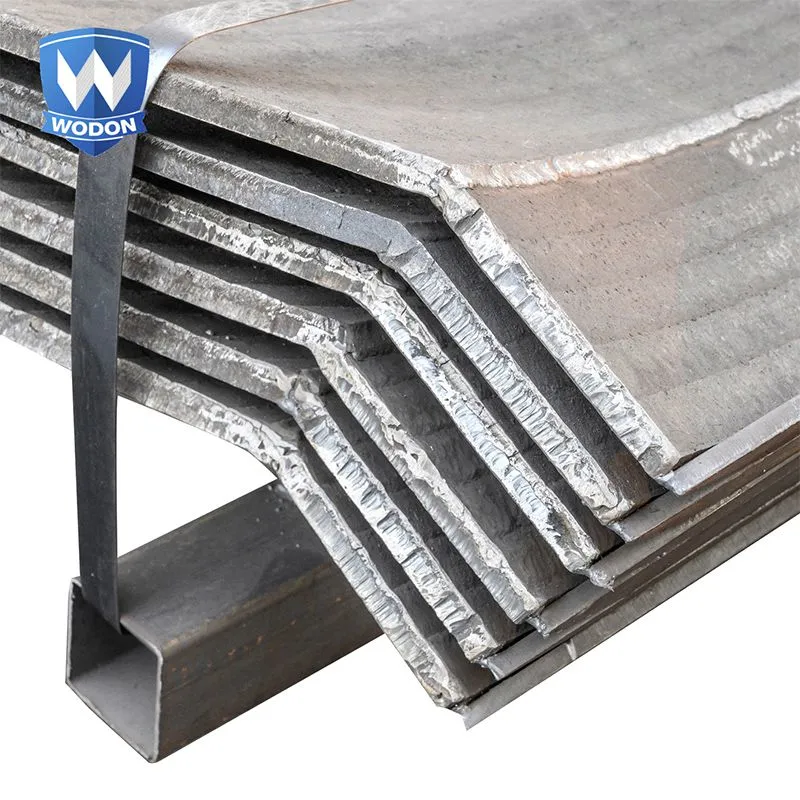
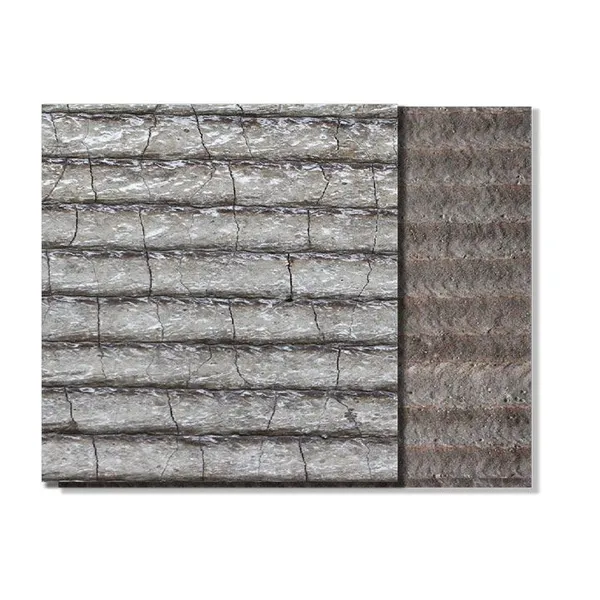
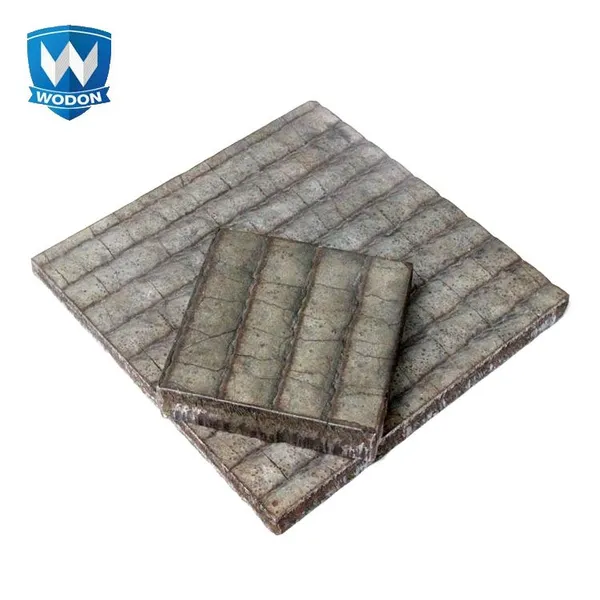
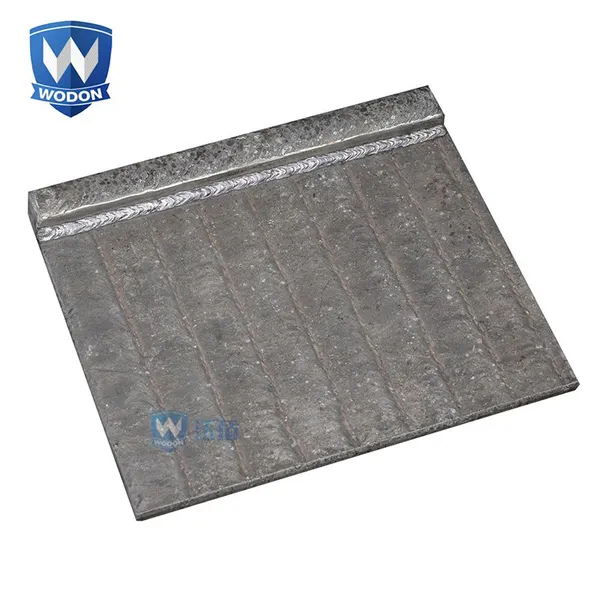
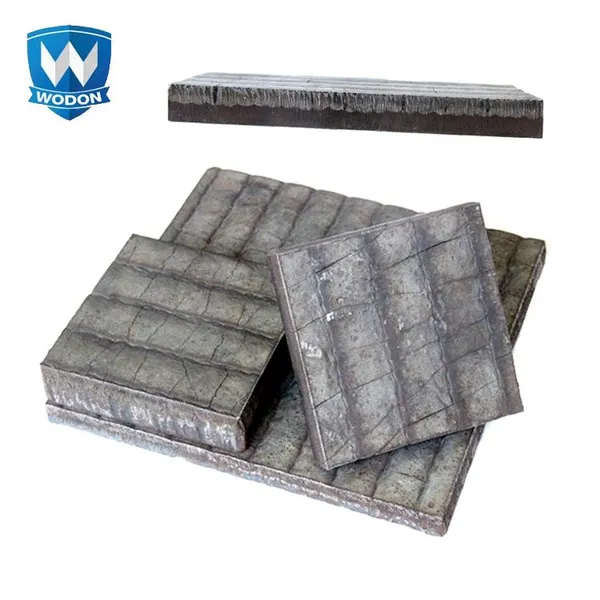
A chromium carbide overlay wear plate takes a fundamentally different approach. Rather than electroplating a thin metallic coating, a thick hardfacing alloy — typically 3 mm to 8 mm of material — is welded directly onto a steel base plate. The overlay is not pure chromium metal but an iron-based alloy containing a high volume fraction of primary chromium carbides (Cr₇C₃) in the range of 30% to 50%. These carbides are substantially harder than metallic chromium, with microhardness values reaching roughly 1,400 to 1,800 HV.
The bond is metallurgical rather than mechanical. The welding arc melts both the hardfacing wire and a thin layer of the base plate, creating a fused interface that can withstand heavy impact and deformation without delaminating. This is a critical distinction: a hard chrome layer can peel away when the underlying steel deforms, while a properly welded CCO overlay cracks but remains attached because the bond zone is integral to the parent metal.
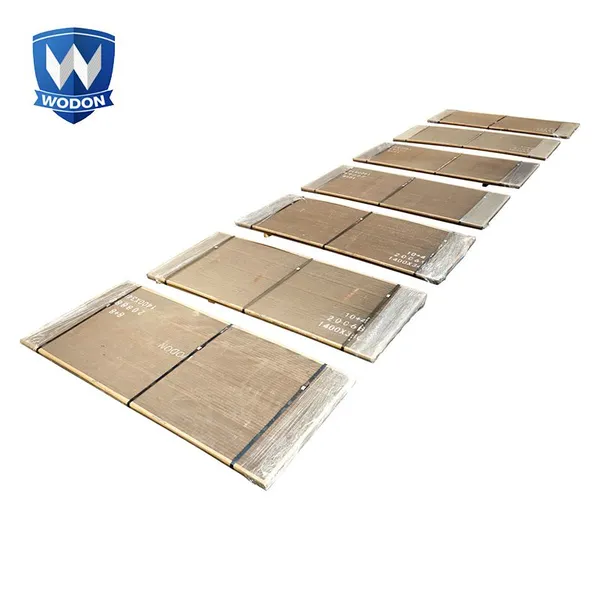
The overlay production process also allows for thick wear layers that chrome plating simply cannot achieve. Plating a 3 mm chromium layer would be impractical — the deposition rate is slow, internal stresses accumulate, and the risk of cracking increases dramatically with thickness. By contrast, CCO plates are routinely produced with overlay thicknesses of 4 mm, 6 mm, and 8 mm, providing a wear allowance that translates directly into longer service intervals.
3. Side-by-Side Comparison of Key Properties
The two technologies diverge sharply across nearly every performance dimension. The table below summarizes the measurable differences that drive application decisions.
| Property | Hard Chrome Plating | CCO Wear Plate |
|---|---|---|
| Wear layer thickness | 0.025–0.25 mm (typical) | 3–8 mm per single-pass overlay |
| Surface hardness | 850–1,000 HV | 55–65 HRC (micro: 1,400–1,800 HV carbide) |
| Bond mechanism | Mechanical/electrochemical | Metallurgical (fusion weld) |
| Friction coefficient | ~0.15 (low) | ~0.55–0.65 (higher, metal-on-mineral) |
| Temperature limit | ~400°C (hardness loss begins ~200°C) | ~500–550°C (carbide stability maintained) |
| Impact resistance | Poor (brittle, spalls on deformation) | Good (matrix absorbs impact, carbides crack locally) |
| Repairability | Strip and re-plate (off-site) | Weld repair with flux core wire (on-site possible) |
| Typical wear life factor | 2–4× vs. uncoated steel | 5–12× vs. mild steel (abrasion service) |
| Cost per mm of wear allowance | High (thick plating impractical) | Moderate (thick overlays are standard) |
The numbers in this table make the trade-off clear. Hard chrome plating offers a low-friction, precisely dimensioned surface but with very limited wear allowance. The chromium carbide overlay approach delivers thick, metallurgically bonded wear protection at the cost of a rougher surface and a higher friction coefficient — acceptable trade-offs in bulk material handling where abrasive wear, not sliding friction, is the dominant concern.
4. When Hard Chrome Plating Is the Right Choice
Hard chrome plating performs well where wear is primarily the result of sliding contact between two precision-machined metal surfaces with a lubricant film. Hydraulic cylinder rods, compressor pistons, and crankshaft journals are classic examples. In these applications, the thin chromium layer provides a hard, smooth running surface that resists scoring and galling, while the low coefficient of friction reduces seal wear and energy consumption.
Plating is also the preferred method for dimensional restoration of worn shafts and bearing seats. A worn journal can be ground undersize, plated back to the original diameter, and finish-ground to tolerance. This restoration capability is a significant advantage in repair and overhaul settings where replacing the entire shaft would be prohibitively expensive. The plating thickness can be precisely controlled — typically to within ±0.01 mm — making it suitable for close-tolerance assemblies.
However, these advantages come with environmental and regulatory considerations. Hexavalent chromium (Cr⁶⁺) used in conventional chrome plating baths is a known carcinogen, and many jurisdictions have tightened emission and worker exposure limits. Trivalent chromium (Cr³⁺) plating processes are emerging as alternatives but have not yet matched the hardness and wear performance of traditional hexavalent chrome. This regulatory pressure is one factor driving some manufacturers to evaluate chromium carbide overlay wear plate technology for applications that do not require a mirror-finish surface.
5. When CCO Wear Plate Is the Better Option
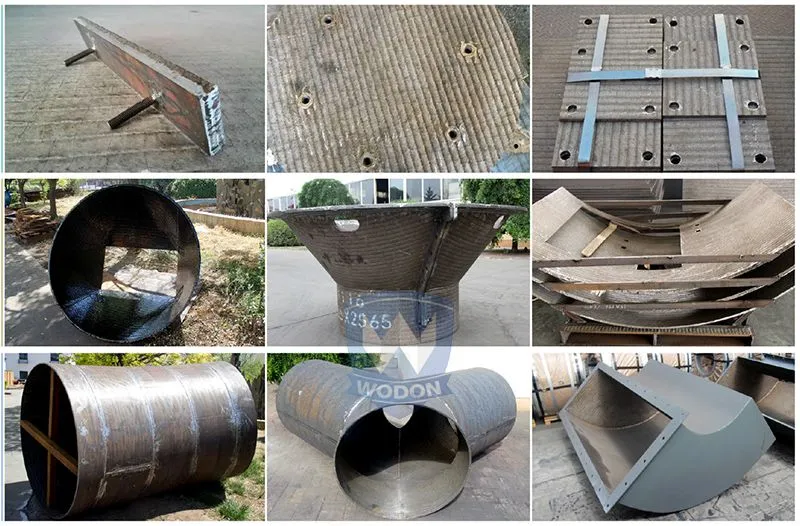
CCO technology excels in bulk material handling environments — chutes, hoppers, crusher liners, fan blades, and conveyor transfer points — where thick, hard, impact-resistant wear layers are needed and surface finish is secondary. The key advantage is the sheer thickness of the wear allowance. A 6 mm CCO overlay can sustain substantially more material loss before the base plate is exposed compared to a 0.1 mm chrome layer, and this translates directly into longer intervals between replacements.
CCO plates also tolerate higher temperatures without losing hardness. Chromium carbides remain stable up to roughly 500°C to 550°C, while metallic chromium begins to soften at roughly 200°C and the plating layer can crack and delaminate from thermal cycling. In applications like cement plant preheater ducts or steel mill sinter chutes, where sustained operating temperatures of 300°C to 400°C are common, the thermal stability of the carbide structure is a decisive advantage.
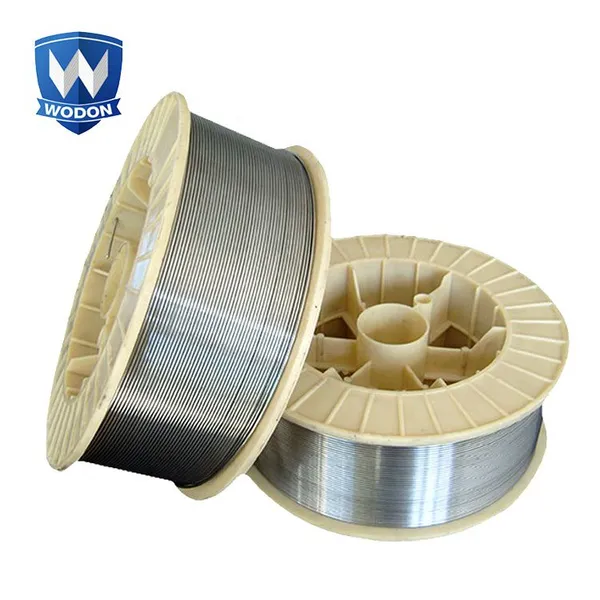
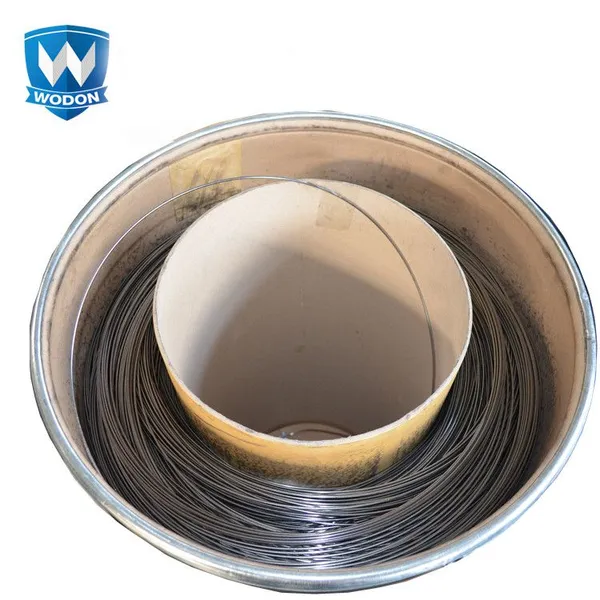
On-site repairability is another practical consideration. A worn hard chrome component must be removed from the machine, stripped, re-plated, and machined — a multi-day process requiring specialized facilities. A worn CCO plate can be repaired in place using chromium carbide overlay flux core wire and a standard welding power source. For operations in remote mining locations where downtime is measured in tonnes of lost production, this field-repair capability reduces the total cost of ownership substantially.
6. Cost Structure Comparison
Comparing the cost of hard chrome plating and CCO wear plate requires looking beyond the per-square-meter price. Hard chrome plating costs are driven by the plating bath chemistry, the surface preparation required, the deposition rate, and post-plating machining or grinding. The per-square-meter cost of a 0.1 mm plating layer is relatively low, but the thin layer means the cost must be amortized over a shorter service interval.
CCO wear plate has a higher upfront material cost, but the thick overlay layer extends the replacement interval, reducing the total number of change-outs over the life of the equipment. For a chute liner application, a CCO plate with a 4 mm overlay might cost roughly 2 to 3 times as much as a chrome-plated alternative per square meter. But if the chrome-plated part needs replacement every 6 months and the CCO part lasts 24 months, the CCO option delivers a lower total cost despite the higher initial price.
Additionally, downtime costs — lost production, labor for change-out, and disposal of worn components — often dominate the economic equation. A mining operation losing $45,000 per day of unplanned downtime will make material decisions based on reliability and predictable service life, not on the per-kilogram price of the wear material. Jiangsu Wodon Wear Resistant New Material Co., Ltd. works with end users to model these total-cost scenarios, comparing not just material prices but the full installed cost including downtime, labor, and logistics.
7. Combining Both Technologies: Hybrid Approaches
In some applications, the two technologies are not competitors but complements. A large hydraulic cylinder used in a dredging application might combine a chrome-plated rod surface for sliding seal compatibility with CCO wear plate liners in the cylinder's material-handling attachment — the bucket or grapple that contacts the abrasive dredged material directly. The chrome plating addresses sliding wear at the precision seal interface, while the CCO plates handle bulk abrasive contact in the non-precision zones.
Similarly, heavy equipment undercarriage components might use chrome-plated pins and bushings for articulation points while CCO overlay plates are welded onto the bucket interior and cutting edge supports, where thick-section abrasion resistance is the priority. Companies such as China Wodon regularly supply both CCO plate and technical guidance for mixed-technology wear protection systems. Understanding where each technology belongs is the essence of effective wear protection engineering.
8. Case Examples
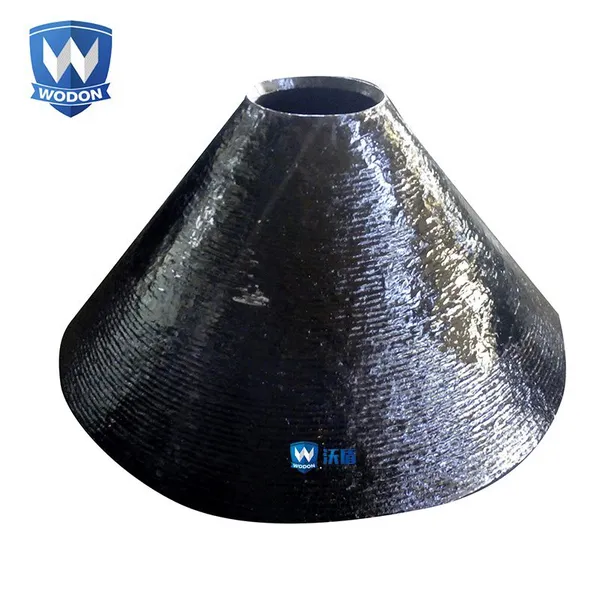
A coal-fired power station in Eastern Europe had been chrome-plating its pulverizer classifier cone segments to resist erosion from high-velocity coal and air mixtures. The 0.15 mm chrome layer lasted roughly 4 to 6 months before the underlying steel was exposed. The plant switched to 6+4 CCO wear plates for the classifier cones, with the 4 mm overlay providing roughly 25 times the wear allowance of the previous chrome layer.
After 18 months of operation, ultrasonic measurements showed roughly 1.8 mm of wear in the highest-velocity zones. The plant projected a service life of roughly 30 to 36 months — a fivefold improvement over chrome plating.
A hydraulic repair shop in Southeast Asia compared hard chrome plating and CCO overlay for rebuilding worn excavator bucket pins. The chrome-plated pins, restored to original diameter with a 0.2 mm chrome layer, served adequately in sandy soil conditions but wore rapidly in rocky terrain. For the rocky-condition machines, they switched to building up the pin diameters with hardfacing flux core wire. The repair cost was roughly 30% higher than chrome plating, but pin replacement frequency dropped from roughly 4 times per year to once every 14 months.
9. Frequently Asked Questions
9.1 Can a worn CCO wear plate be re-chromed instead of replaced?
Chrome plating over a chromium carbide overlay surface is not recommended. The overlay surface is rough and contains a network of stress-relief cracks, and the chromium plating solution would penetrate these cracks, causing corrosion cells that could undermine the plating bond. Additionally, the carbon content in the overlay can interfere with plating adhesion. If a CCO plate has worn down to the base steel, the proper repair method is to re-weld the overlay zone using hardfacing flux core wire, not to attempt electroplating over the worn surface.
9.2 Is CCO wear plate harder than hard chrome plating?
The comparison depends on which hardness scale is used. Hard chrome plating measures roughly 850 to 1,000 HV — pure metallic chromium. The chromium carbide particles within a CCO overlay measure roughly 1,400 to 1,800 HV, which is substantially harder. However, the CCO overlay is a composite of hard carbides in a softer matrix, so its bulk hardness of 55 to 65 HRC (roughly 600 to 800 HV equivalent) is similar to chrome plate at the macro scale.
The carbide particles give CCO plates superior resistance to scratching abrasion, while the hard chrome layer is better suited to metal-on-metal sliding wear.
9.3 Which technology is more environmentally friendly?
Hard chrome plating using hexavalent chromium (Cr⁶⁺) faces increasing regulatory restrictions due to the carcinogenic nature of hexavalent chromium compounds. Wastewater treatment, air emission controls, and worker exposure monitoring add cost and compliance burden. CCO plate manufacturing using open arc or submerged arc welding generates welding fume that requires ventilation and filtration, but does not involve the persistent toxic compounds associated with chrome plating baths. From a regulatory compliance perspective in jurisdictions with strict environmental controls, CCO technology may present fewer permitting and operating challenges.
9.4 Can CCO wear plates be machined to a smooth finish like chrome plating?
CCO plates can be ground to achieve a smoother surface, but they cannot be machined to the mirror finish typical of chrome plating. The hard chromium carbides in the overlay resist conventional cutting tools and cause rapid tool wear. Diamond grinding can reduce surface roughness to roughly Ra 1.6 to 3.2 µm, which is adequate for bulk material flow applications. If a mirror finish (Ra 0.1 µm or better) is required for sealing or sliding contact, hard chrome plating remains the appropriate choice.
Recently Posted
-
CCO Wear Plate Applications in Mining: Chutes, Hoppers, and Crusher Liners
August 13, 2026An iron ore mine in Western Australia was replacing the discharge chute liners on its primary crusher every 11 weeks. The 12 mm mi Read More
 -
How to Choose the Right Chromium Carbide Overlay Wear Plate: A Procurement Guide
August 11, 2026A cement plant in North Africa ordered 120 square meters of chromium carbide overlay wear plate for a clinker conveyor chute rebui Read More
 -
Chromium Carbide Overlay Wear Plate: What It Is and How It Works
August 7, 2026A copper mine in South America was losing roughly 14 days of production every quarter. The culprit was not the ore body or the pro Read More
 -
Wodon Bimetallic Wear-Resistant Steel Plates: Engineered for Superior Performance and Longevity
January 3, 2025In the demanding landscape of heavy industries, where abrasion, impact, and corrosion are constant adversaries, Wodon Bimetallic W Read More

Contact Us
Recommended Products
-
 Chromium Carbide Overlay Wear Plate WD-1900 Smooth Surface CCO Wear PlateNegotiableMOQ: 1 Square Meter
 -
Hardfacing Wear Resistant Flux Cored Welding Wire With High HardnessNegotiableMOQ: 1 Kilogram
-
High Abrasion Resistant Hardfacing Wear Liners Chromium Carbide Overlay Cco Bimetallic Wear PlateNegotiableMOQ: 1 Square Meter
-
Chrome Carbide Wear Resisting Plate High Wear Steel Plate Wear Liner Platebimetallic Wearable Lining Plate Bucket ExcavatorCHF 300 - 300MOQ: 1 Square Meter
-
Wodon Customizable Steel Flux Cored Welding Wire Manufacturer's Valve Surfacing Gas Shielding OEM SupportUS$ 4.02 - 4.02MOQ: 1 Kilogram
-
Abrasive Resistence Wear Parts Overlay Carbon Chromium Steel PlateNegotiableMOQ: 1 Square Meter
-
Wear Plates for Heavy Duty Mining Applications High Chromium Carbide Overlay Abrasion Resistant and Customizable SizesNegotiableMOQ: 1 Square Meter
-
Hardfacing Truck Liner Plate Chromium Carbide Overlay Wear Plate Cladded PlateNegotiableMOQ: 1 Square Meter
-
Custom Overlaying Wear Plate - Economical Choice for Durable Industrial Applications, High-Quality Fabrication, 55HRC HardnessNegotiableMOQ: 1 Square Meter
-
Wear Abrasion Resistant Overlay High Carbon High Chromium Steel PlateNegotiableMOQ: 1 Square Meter
-
Wear Resistant Steel Plate 6mm 8mm 12mm Thickness Hot Rolled Carbon Steel Plate Wear PlateNegotiableMOQ: 1 Square Meter
-
Bimetallic Cco Clad Composite Overlay Hardfacing Wear Resistant Steel PlateNegotiableMOQ: 1 Square Meter
-
High-Performance Wear Plates for Cement Mills Chromium Carbide Overlay Long Service Life Reliable PerformanceNegotiableMOQ: 1 Square Meter
-
Wear Resistant Steel Plate Liners for Chutes Special Use Wear LinersNegotiableMOQ: 1 Square Meter
-
Cco Hardfacing Surfacing Tungsten Carbide Wear Resistant Plates Liner for SilosNegotiableMOQ: 1 Square Meter
-
Wodon Chromium Alloy Bimetal Hardfacing Plate for Mining MachineryCHF 300 - 300MOQ: 1 Square Meter
-
Hardfacing Abrasion High Wear Resistant Performance Cladding Plate TubeUS$ 399.69 - 399.69MOQ: 1 Square Meter
-
Hardfacing Plates for Manufacture Industry Value High Chrome Wear PlateUS$ 100 - 300MOQ: 1 Square Meter
-
Customizable OEM/ODM Wear-Resistant Soldering & Surfacing Flux Cored Welding WiresUS$ 9.9 - 9.9MOQ: 1 Kilogram
-
Chromium Carbide Round Pipe 6m and 12m Lengths Bending & Cutting Services Welding Technique Saw TechniqueUS$ 6 - 6MOQ: 1 Square Meter