
 Business License
How to Choose the Right Chromium Carbide Overlay Wear Plate: A Procurement Guide
A cement plant in North Africa ordered 120 square meters of chromium carbide overlay wear plate for a clinker conveyor chute rebuild. The procurement team specified the right plate thickness and dimensions, but they overlooked one detail: the base plate grade. The supplier delivered CCO plates on a Q235 carbon steel base — adequate for room-temperature service but marginal for the 280°C clinker temperature in the chute.
Within roughly 4 months, the base plates began to distort, the overlay cracked in irregular patterns, and plates started separating from the chute structure at the weld joints. The total cost of re-procurement, re-installation, and lost production exceeded $60,000.
The mistake was not in choosing the wrong supplier or the wrong budget. It was in selecting the plate configuration before fully characterizing the service conditions. This guide walks through the decisions a buyer should make — in order — when specifying a carbide wear plate for industrial wear protection. Following this sequence helps avoid the common procurement errors that lead to premature failures and unplanned downtime.
1. Start with the Wear Environment, Not the Plate Catalog
The first step in choosing a chromium carbide overlay wear plate is not looking at a datasheet. It is characterizing the wear environment. Four parameters determine which plate configuration will work, and missing any one of them can lead to a specification error.
The abrasive medium is the first variable. What material will contact the plate surface? Quartz sand at roughly 1,100 HV wears plates much faster than limestone at roughly 250 HV.
Coal, ash, clinker, iron ore, and bauxite each have distinct hardness, particle shape, and moisture content, and the wear rate varies accordingly. A plate that lasts 3 years in a coal chute might fail in 6 months in a silica sand hopper.
Impact energy is the second. Will the plate face a gentle sliding flow of fines or direct impact from 200 mm lumps dropping from a conveyor head pulley? High-impact service demands a tougher base plate and may require a thicker overlay to absorb deformation without cracking. Low-impact, high-velocity sliding wear favors maximum carbide volume fraction over matrix toughness.
Operating temperature is often overlooked. Standard CCO plates on a Q235 or A36 base perform reliably up to roughly 350°C. Above that, the base plate begins to lose strength, and the difference in thermal expansion between the carbon steel base and the carbide-rich overlay can cause delamination. For service above 400°C, a low-alloy or heat-resistant base plate should be specified.
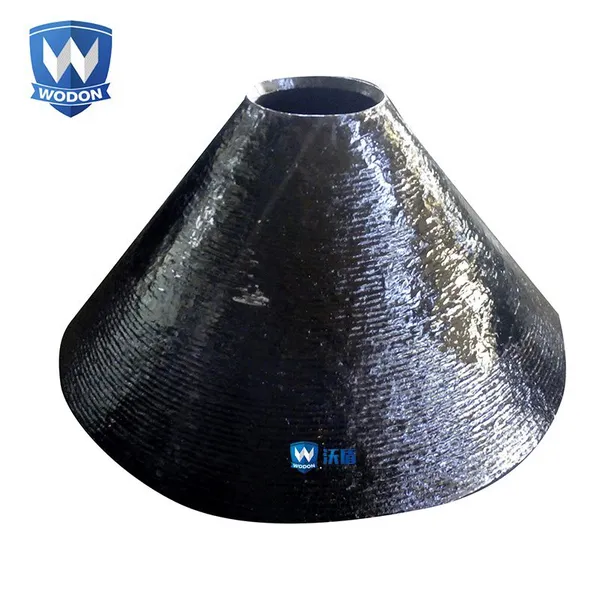
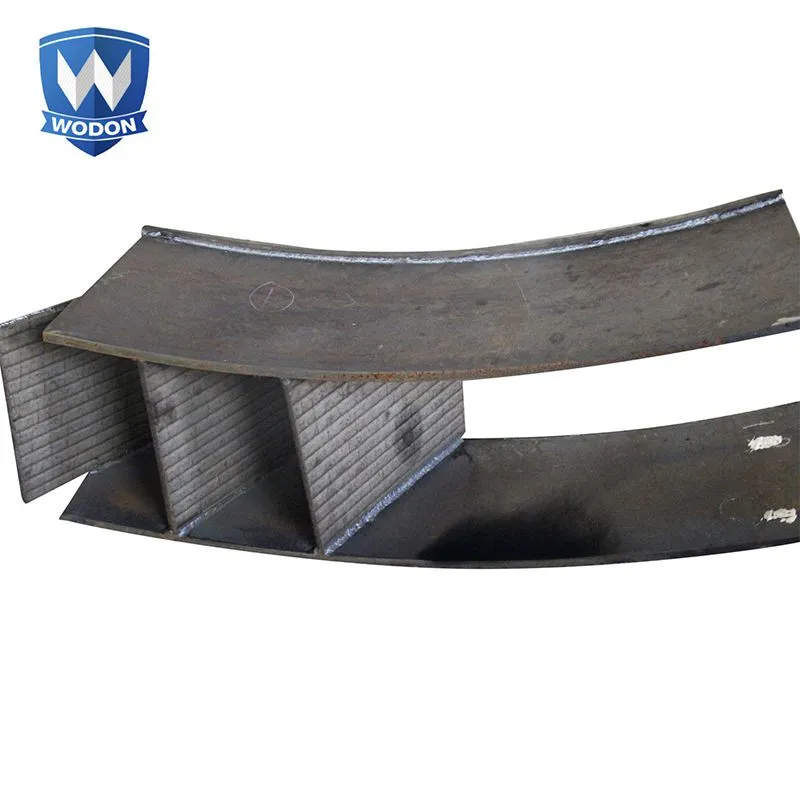
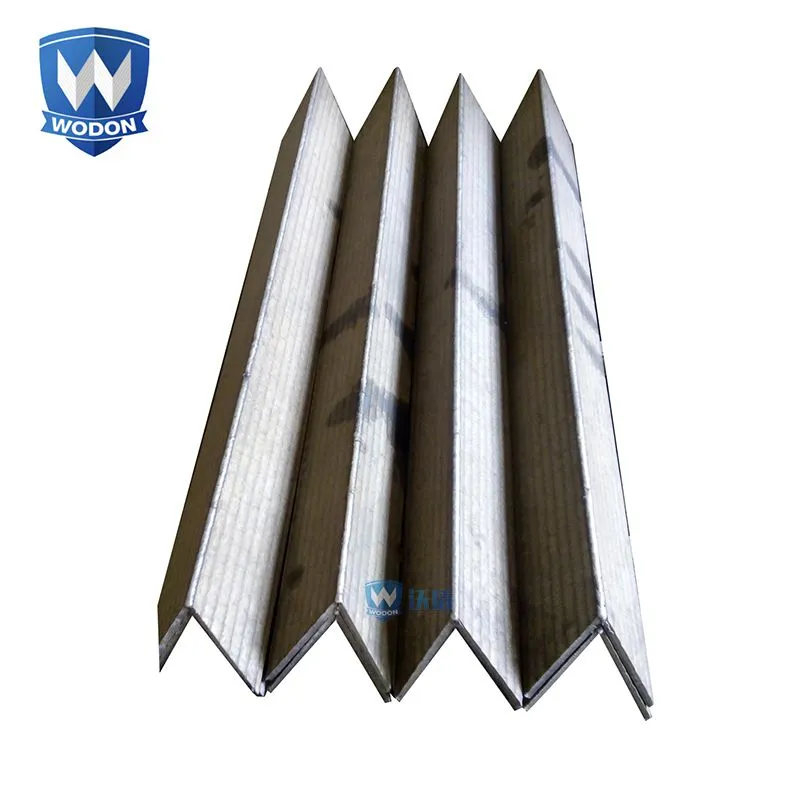
Finally, the service geometry matters. Flat plates are straightforward. Curved chute sections, conical hopper transitions, and pipe elbows require plates that can be rolled or formed to radius — and the forming process can affect overlay integrity. If the plates will be field-welded in confined spaces, the base plate weldability and any preheat requirements become important logistical factors.
2. Selecting the Right Plate Configuration: Base Plate + Overlay Thickness
Once the wear environment is characterized, the next decision is the plate configuration — expressed as "base plate thickness + overlay thickness." The table below maps common configurations to typical service conditions.
| Service Condition | Recommended Configuration | Why |
|---|---|---|
| Light abrasion, low impact (dust ducts, hopper walls) | 6+3 or 6+4 | Sufficient wear allowance at lowest material cost |
| Moderate abrasion, occasional impact (transfer chutes, conveyor skirts) | 8+4 | Good balance of wear life and structural rigidity |
| Heavy sliding abrasion (screen undersize pans, classifier cones) | 8+6 | Thicker overlay for extended service in high-velocity sliding |
| High impact + abrasion (crusher discharge, impact plates) | 10+6 or 10+8 | Thicker base plate resists deformation; thick overlay absorbs wear |
| Elevated temperature (>300°C) | 8+4 on low-alloy base | Base plate retains strength at temperature; standard overlay stable to ~550°C |
The overlay thickness determines how much material can be worn away before the base plate is exposed. A 4 mm overlay might provide roughly 18 to 30 months of service in a moderate-abrasion coal chute. A 6 mm overlay extends that window to roughly 30 to 48 months under the same conditions. The cost difference between the two configurations is typically modest — roughly 15% to 25% more for the thicker overlay — but the service life gain often justifies the increment, particularly when downtime costs are factored into the economic analysis.
The base plate thickness affects structural stiffness and weldability. A 6 mm base plate can be plug-welded or stitch-welded to light-gauge chute walls. A 10 mm base plate provides the rigidity needed for bolt-on or clamp-on installations where welding access is limited. Thicker base plates also serve as a heat sink during the overlay welding process, which can improve the carbide microstructure in the overlay layer — another reason to avoid specifying the thinnest possible base plate for severe service.
3. Base Plate Material: Carbon Steel vs. Low-Alloy Options
Most CCO wear plates use a Q235 or ASTM A36 carbon steel base plate. These grades are readily available, easily welded, and cost-effective. They are the default choice for ambient-temperature service in mining, cement, power generation, and general bulk handling. The carbon steel base provides adequate structural strength and can be attached to equipment using common mild steel welding electrodes with no special preheat requirements for thicknesses up to roughly 12 mm.
For elevated-temperature service or applications requiring higher base plate strength, low-alloy steel grades such as Q345 (equivalent to ASTM A572 Grade 50) or pressure vessel steels can be specified. These grades retain a higher proportion of their room-temperature strength at elevated temperatures. A Q235 base plate loses roughly 30% of its yield strength at 300°C; a Q345 base plate loses roughly 20% under the same conditions. For a chute handling hot clinker at 350°C, that difference can determine whether the plate distorts and loses bolt tension or remains dimensionally stable.
Stainless steel base plates are occasionally specified for combined abrasion-corrosion service — for example, in flue gas desulfurization systems or chemical plant material handling where acidic condensate attacks the back side of the plate. The overlay itself provides the wear surface, but the base plate material must resist the chemical environment on the non-wear side. Jiangsu Wodon Wear Resistant New Material Co., Ltd. can supply CCO plates on stainless steel base plates for these specialized applications, though lead times and costs are higher than standard carbon steel configurations.
4. Overlay Quality Indicators: What to Look for on the Datasheet
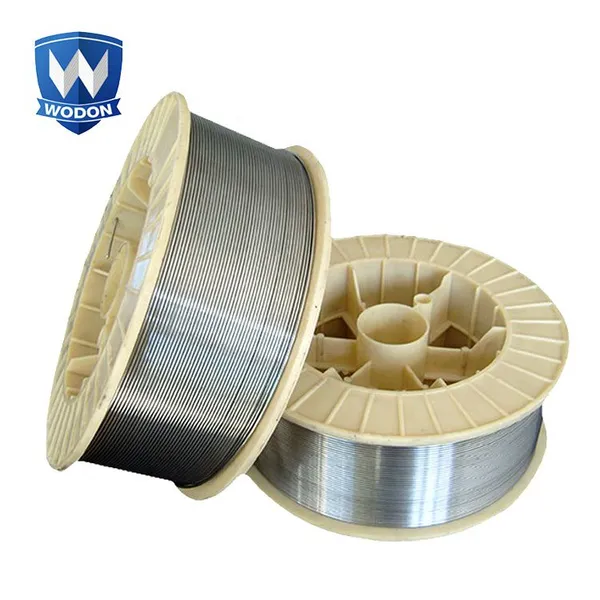
Not all CCO wear plates with the same thickness specification perform equally. The overlay quality is determined by the welding process control and the hardfacing wire chemistry, and several indicators on the manufacturer's datasheet can help distinguish a well-made plate from a marginal one.
Surface hardness is the most commonly reported number, typically 55 to 65 HRC. A value at the lower end of this range does not necessarily indicate poor quality — it may reflect a higher matrix toughness formulation intended for impact service. The more informative number is the carbide microhardness, which should be in the range of roughly 1,400 to 1,800 HV for Cr₇C₃ carbides. This value indicates whether the hard phase itself has the expected hardness, independent of the matrix that surrounds it.
Carbide volume fraction is a direct measure of wear resistance potential. A plate with 40% carbide volume will typically outperform a plate with 25% carbide volume in low-stress abrasion, all else being equal. Reputable manufacturers can provide micrograph images or quantitative carbide fraction data. A supplier that cannot or will not provide this information is likely running inconsistent welding parameters.
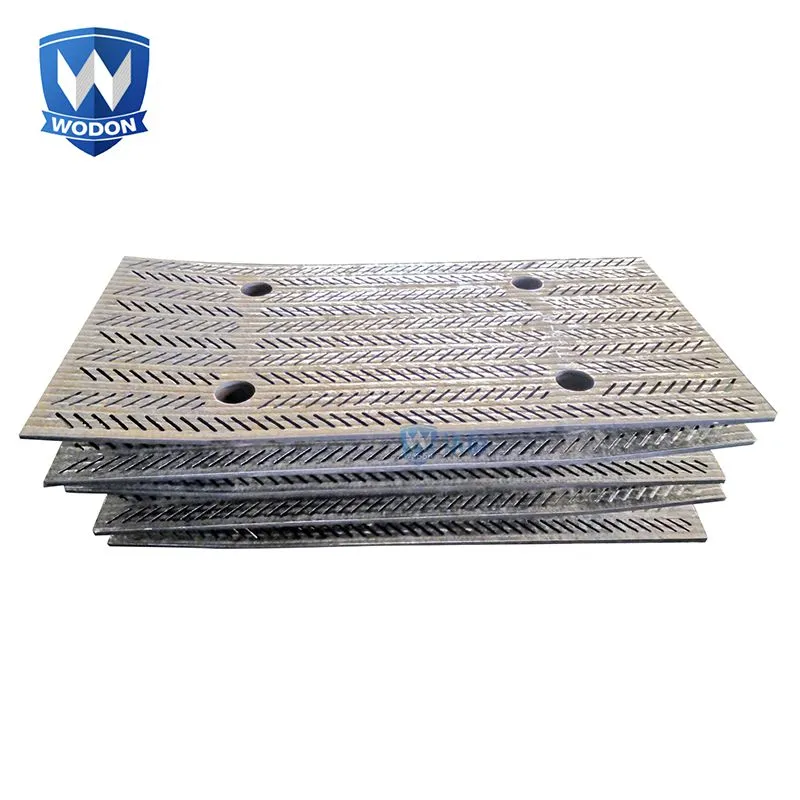
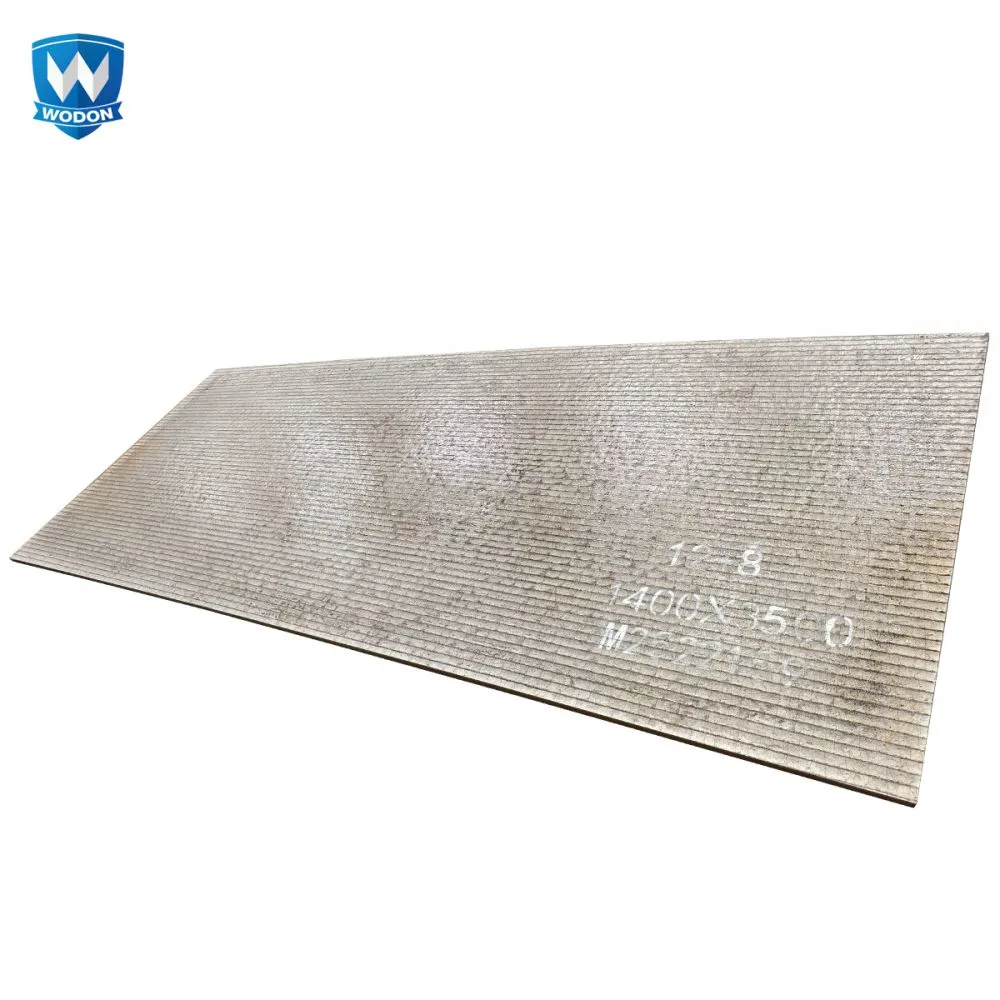
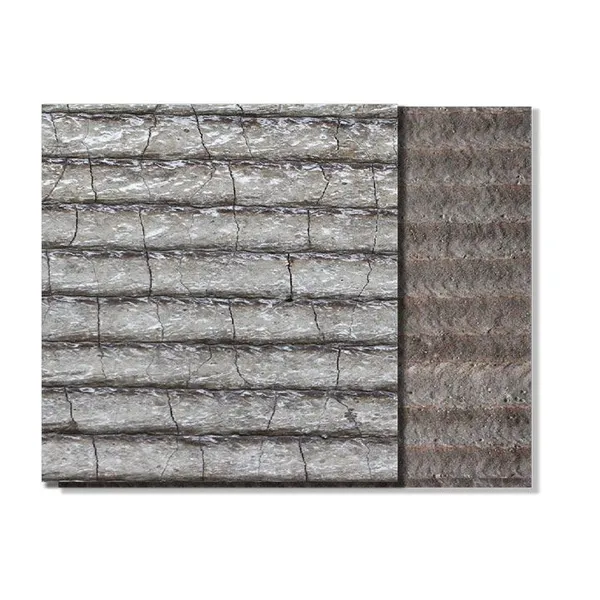
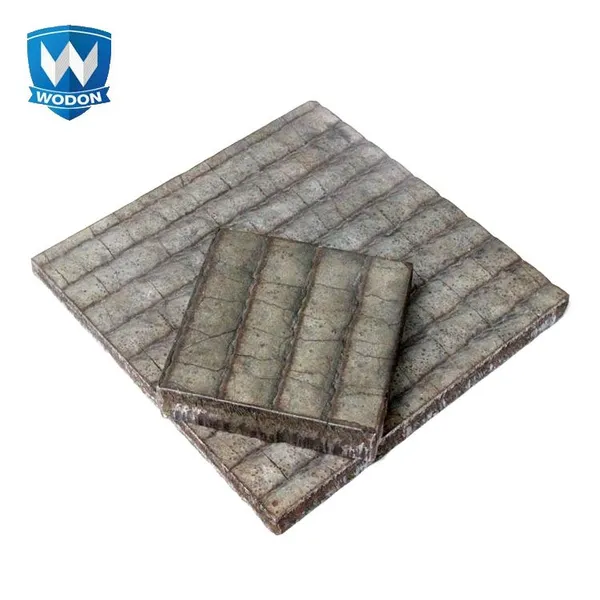
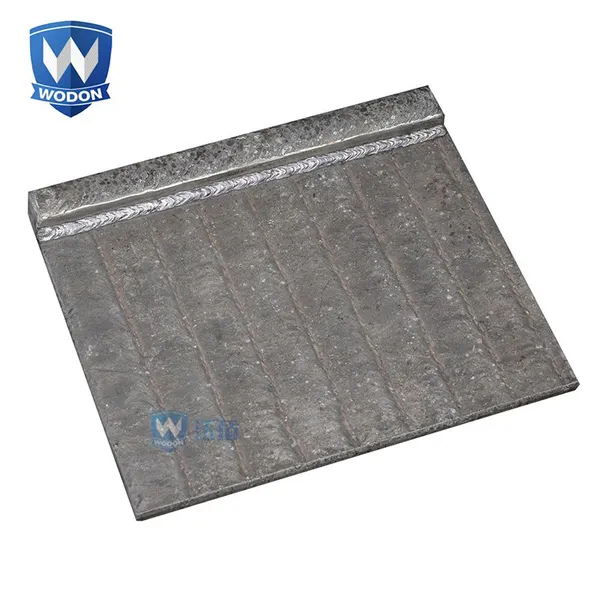
Crack pattern is a visual quality indicator. A uniform pattern of fine transverse cracks spaced roughly 5 to 15 mm apart is normal and expected. Irregular crack patterns — widely spaced in some areas, tightly clustered in others — suggest inconsistent travel speed or arc voltage during welding. Large longitudinal cracks running parallel to the welding beads may indicate excessive interpass temperature or inadequate preheat, and these can lead to overlay spalling in service.
5. Dimensions, Tolerances, and Custom Fabrication
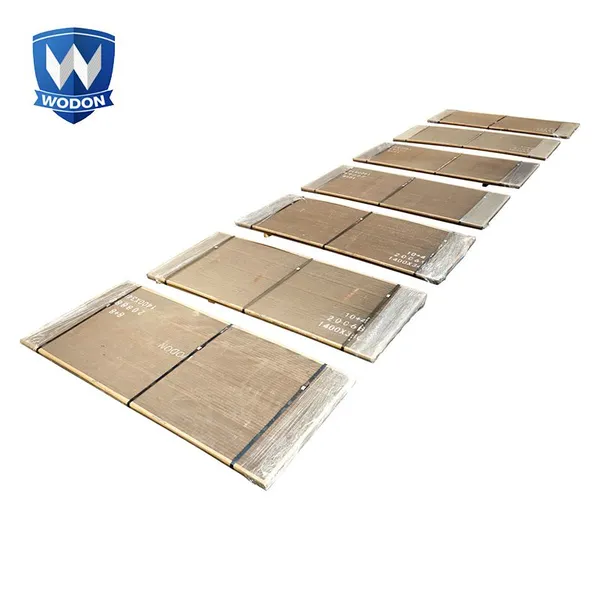
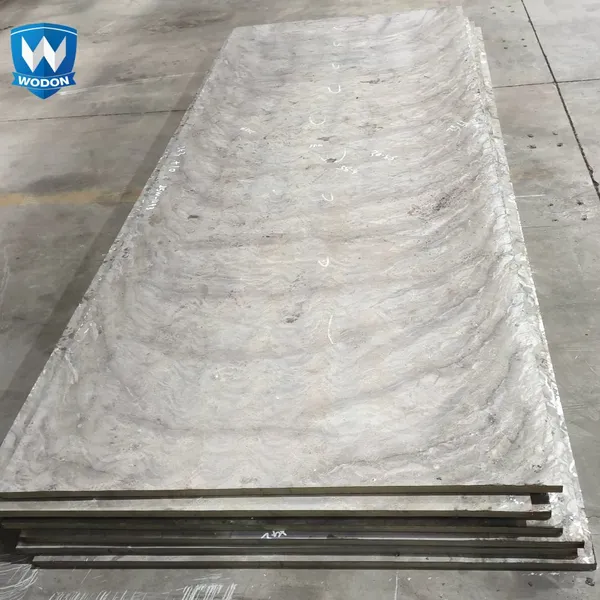
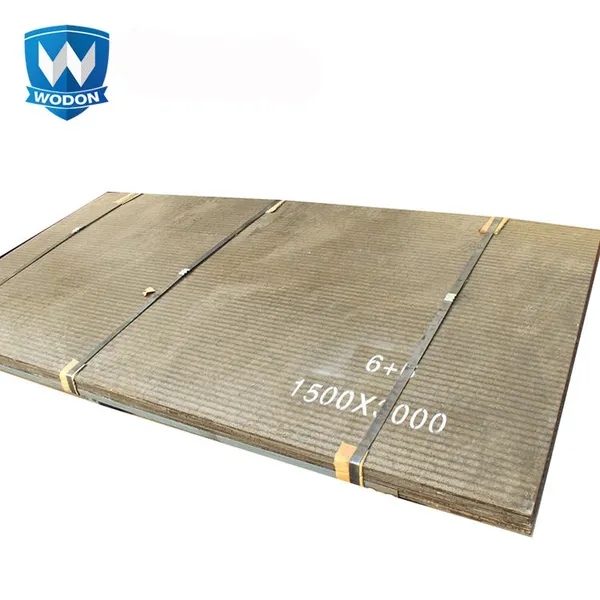
Standard CCO wear plates are manufactured in sizes of roughly 1,400 mm to 1,500 mm wide by 3,000 mm to 3,400 mm long, though these dimensions vary between manufacturers. Plates are generally supplied with a flatness tolerance of roughly ±3 mm per meter — adequate for bolting or welding to structural steel but not precision-engineered flat. Buyers should confirm dimensional tolerances with the supplier upfront, particularly if the plates will be installed in a tight-fit assembly.
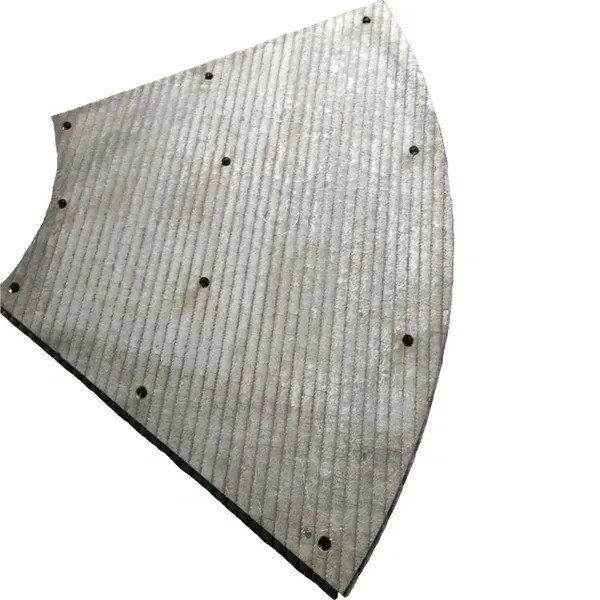
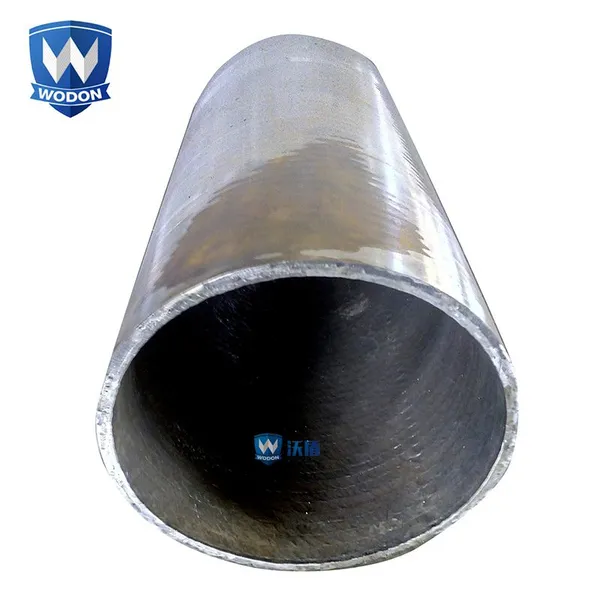
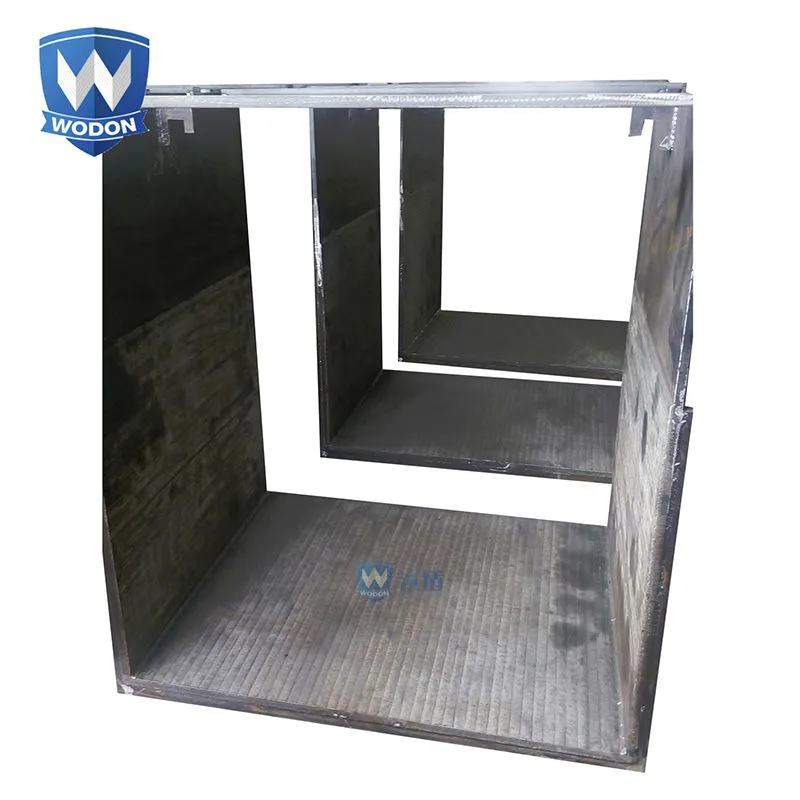
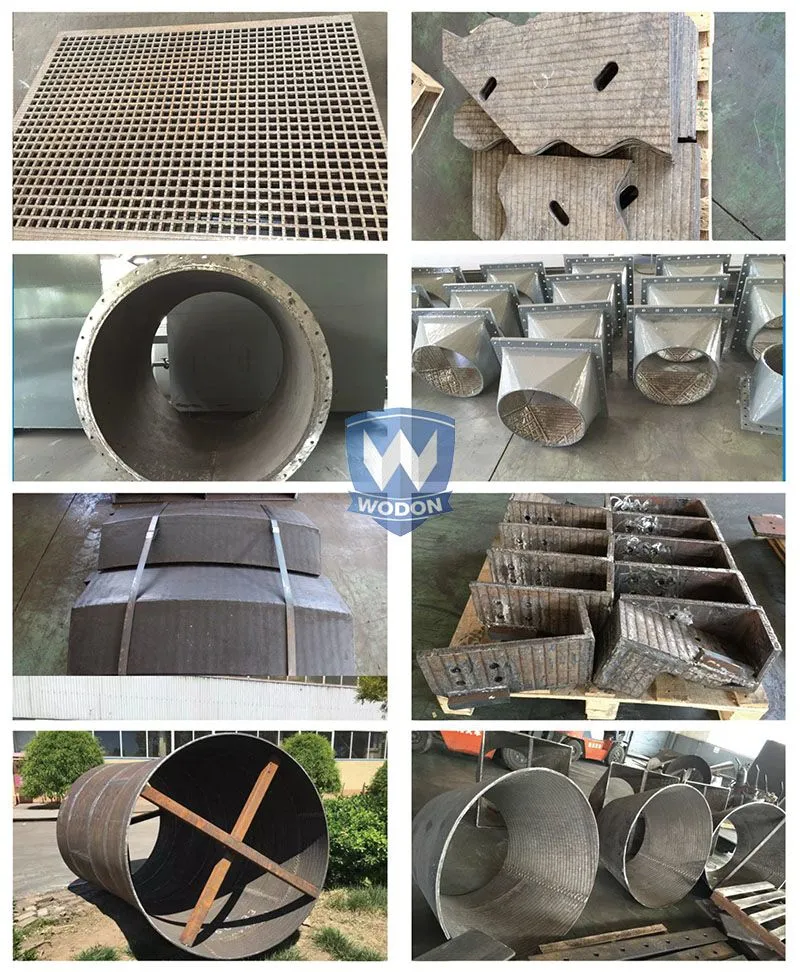
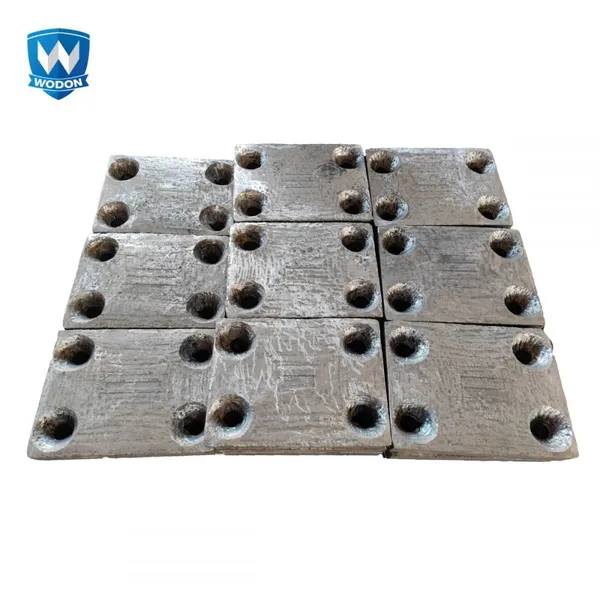
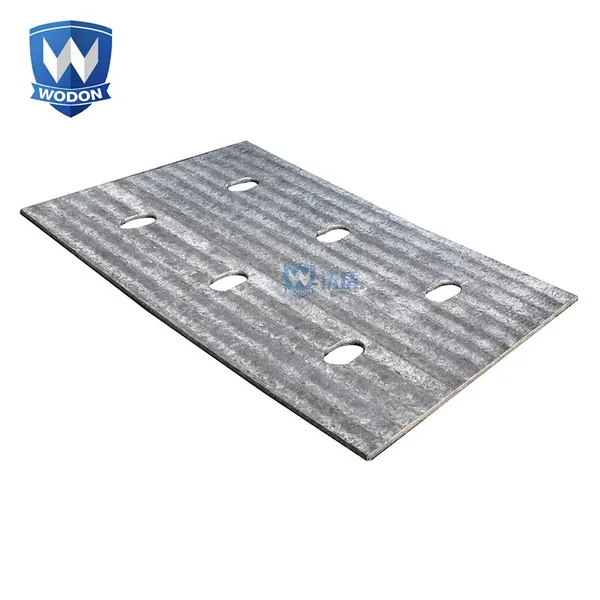
Custom fabrication adds value when the end user lacks in-house plasma cutting, forming, or drilling capability. Wodon Wear Resistant New Material can supply plates pre-cut to the exact shapes required for chute sections, drilled for bolt patterns, and rolled to radius for curved applications. Pre-fabricated plates reduce on-site labor and eliminate the risk of cutting errors that can scrap expensive overlay material. The fabrication cost is typically a small fraction of the total installed cost, and the reduction in site work often offsets it entirely.
When ordering custom-fabricated plates, provide detailed drawings showing the cut profile, hole positions and diameters, bend radii, and any bevel requirements for weld preparation. Mark each plate with an identifier that corresponds to its position in the equipment assembly. This reduces installation errors and ensures that the pre-drilled bolt holes align with the equipment structure.
6. Supplier Evaluation: Beyond the Price per Square Meter
Price is the easiest metric to compare, but it is also the most misleading. A CCO wear plate sold at a 20% discount may cost several times that amount in premature failure if the overlay quality is poor. Buyers should evaluate suppliers on at least three additional dimensions: process control, technical support, and delivery reliability.
Process control means the supplier has documented welding procedures, conducts regular quality checks (hardness testing, ultrasonic bond inspection, bend testing), and can provide test certificates with each batch. A manufacturer that welds plates without parameter documentation or quality records is delivering an inconsistent product, regardless of the price.
Technical support matters when the buyer does not have in-house wear engineering expertise. A supplier that can review the application conditions — abrasive medium, temperature, impact, geometry — and recommend a specific configuration adds value that a price-focused vendor cannot match. This support should extend to installation advice: welding procedures, preheat requirements, and attachment methods.
Delivery reliability affects project schedules. A plate supplier that consistently misses delivery dates can delay a planned shutdown and force the buyer to either postpone the maintenance window or install inferior temporary liners. Ask for references from similar industries and check whether the supplier has a track record of on-time delivery for the plate volumes you require.
7. Case Examples
The North African cement plant that opened this article learned its lesson the hard way. After the initial failure, they re-specified the clinker chute liners with 8+4 CCO plates on a Q345 low-alloy base plate, selected specifically for the 280°C operating temperature. The Q345 base retained sufficient strength to prevent distortion, and the uniform crack pattern on the overlay confirmed consistent heat input during welding.
After roughly 20 months of service, the plates showed approximately 1.2 mm of overlay wear. The plant projected a service life of roughly 32 to 36 months for the current plate set, and the chute has operated without a single unplanned liner-related shutdown since the re-installation.
A gold mine in West Africa needed wear plates for a ball mill discharge trommel that handled a slurry of ground ore and steel grinding media fragments. The procurement engineer initially specified 6+3 plates, but after reviewing the impact from stray grinding balls, the supplier recommended upgrading to 8+6 on a Q345 base. The modest increase in material cost — roughly 18% — was recovered within the first extended service interval, as the thicker overlay absorbed ball impacts without cracking through to the base plate.
8. Frequently Asked Questions
8.1 How do I know if I need a single-layer or multi-layer overlay?
Single-layer overlays of 3 mm to 5 mm are adequate for most general industrial applications where abrasive wear is the primary concern and impact is low to moderate. Multi-layer overlays — two or three passes building to 6 mm to 10 mm of total overlay thickness — are recommended for severe abrasion where maximum wear allowance is needed. The trade-off is cost: each additional pass adds material, welding time, and price.
A single-pass 4 mm overlay represents a baseline cost, while a three-pass 10 mm overlay costs roughly 2.5 to 3 times as much. The economics should be evaluated on a cost-per-tonne-processed basis, not on the per-square-meter plate price.
8.2 Should I specify the plate chemistry or just the hardness?
Specifying hardness alone (e.g., "58–62 HRC") is common but incomplete. Two plates with the same macro-hardness can have very different carbide volume fractions and matrix structures, leading to different wear performance. A better specification includes surface hardness range, minimum carbide volume fraction (e.g., ≥35%), and a microhardness range for the carbide phase (e.g., 1,400–1,800 HV). Including a bend test requirement — overlay-side in tension, bent to a specified radius without delamination — adds an additional quality assurance measure that hardness testing alone cannot provide.
8.3 What documentation should I expect with a CCO plate order?
A complete documentation package should include a mill test certificate for the base plate material, a hardness test report for the overlay surface, batch traceability linking the plates to the specific production run and welding parameters, and dimensional inspection records confirming plate thickness, flatness, and cut dimensions. For critical applications, request ultrasonic bond test results or a bend test report from a sample taken from the same production batch. At China Wodon, test certificates and inspection reports are provided as standard with every shipment, not as optional extras.
8.4 Is it better to buy standard-sized plates or custom pre-fabricated ones?
The answer depends on in-house fabrication capability. If the end user has plasma cutting equipment, a press brake or roll former, and skilled welders, buying standard-sized plates and fabricating on site can reduce material costs. If the site lacks these resources — common in remote mining operations — pre-fabricated plates cut to shape, drilled, and rolled to radius are the better choice.
The fabrication cost is typically recovered through reduced installation time and elimination of cutting errors. For complex curved chute sections with multiple bend radii, pre-fabrication at the supplier's facility is strongly recommended.
Recently Posted
-
CCO Wear Plate Applications in Mining: Chutes, Hoppers, and Crusher Liners
August 13, 2026An iron ore mine in Western Australia was replacing the discharge chute liners on its primary crusher every 11 weeks. The 12 mm mi Read More
 -
CCO Wear Plate vs. Hard Chrome Plating: Comparing Wear Protection Methods
August 10, 2026A hydraulic cylinder manufacturer in Germany faced a recurring warranty claim: the chrome-plated piston rods on their mining excav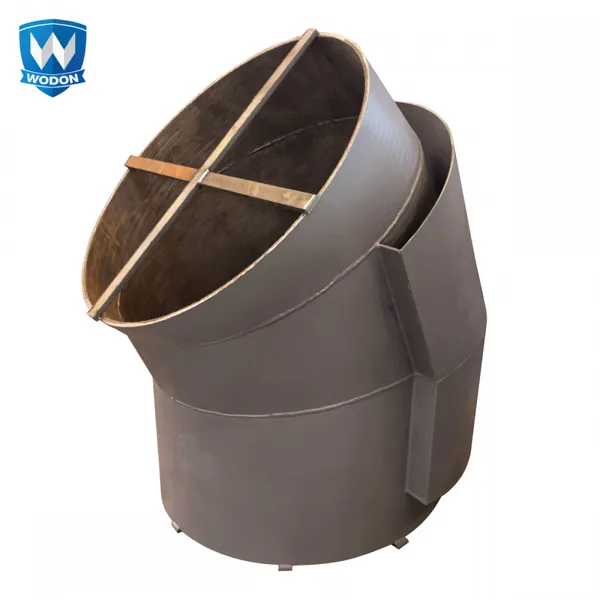 Read More
 -
Chromium Carbide Overlay Wear Plate: What It Is and How It Works
August 7, 2026A copper mine in South America was losing roughly 14 days of production every quarter. The culprit was not the ore body or the pro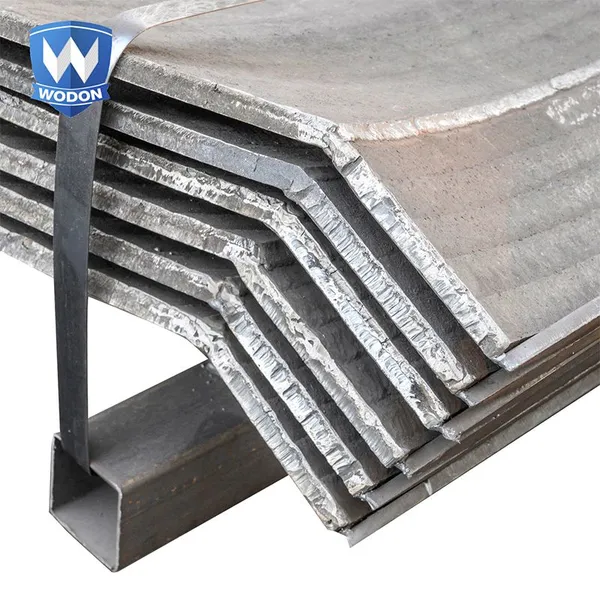 Read More
 -
Wodon Bimetallic Wear-Resistant Steel Plates: Engineered for Superior Performance and Longevity
January 3, 2025In the demanding landscape of heavy industries, where abrasion, impact, and corrosion are constant adversaries, Wodon Bimetallic W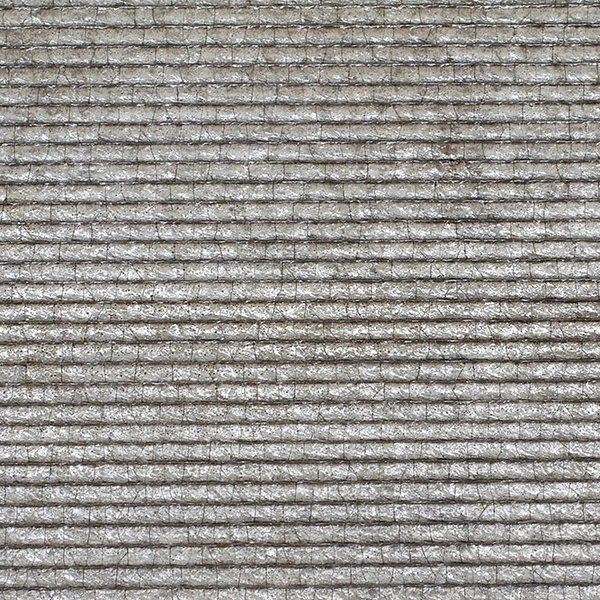 Read More

Contact Us

Recommended Products
-
 Chromium Carbide Overlay Wear Plate WD-1900 Smooth Surface CCO Wear PlateNegotiableMOQ: 1 Square Meter
 -
Hardfacing Wear Resistant Flux Cored Welding Wire With High HardnessNegotiableMOQ: 1 Kilogram
-
High Abrasion Resistant Hardfacing Wear Liners Chromium Carbide Overlay Cco Bimetallic Wear PlateNegotiableMOQ: 1 Square Meter
-
Chrome Carbide Wear Resisting Plate High Wear Steel Plate Wear Liner Platebimetallic Wearable Lining Plate Bucket ExcavatorCHF 300 - 300MOQ: 1 Square Meter
-
Wodon Customizable Steel Flux Cored Welding Wire Manufacturer's Valve Surfacing Gas Shielding OEM SupportUS$ 4.02 - 4.02MOQ: 1 Kilogram
-
Abrasive Resistence Wear Parts Overlay Carbon Chromium Steel PlateNegotiableMOQ: 1 Square Meter
-
Wear Plates for Heavy Duty Mining Applications High Chromium Carbide Overlay Abrasion Resistant and Customizable SizesNegotiableMOQ: 1 Square Meter
-
Hardfacing Truck Liner Plate Chromium Carbide Overlay Wear Plate Cladded PlateNegotiableMOQ: 1 Square Meter
-
Custom Overlaying Wear Plate - Economical Choice for Durable Industrial Applications, High-Quality Fabrication, 55HRC HardnessNegotiableMOQ: 1 Square Meter
-
Wear Abrasion Resistant Overlay High Carbon High Chromium Steel PlateNegotiableMOQ: 1 Square Meter
-
Wear Resistant Steel Plate 6mm 8mm 12mm Thickness Hot Rolled Carbon Steel Plate Wear PlateNegotiableMOQ: 1 Square Meter
-
Bimetallic Cco Clad Composite Overlay Hardfacing Wear Resistant Steel PlateNegotiableMOQ: 1 Square Meter
-
High-Performance Wear Plates for Cement Mills Chromium Carbide Overlay Long Service Life Reliable PerformanceNegotiableMOQ: 1 Square Meter
-
Wear Resistant Steel Plate Liners for Chutes Special Use Wear LinersNegotiableMOQ: 1 Square Meter
-
Cco Hardfacing Surfacing Tungsten Carbide Wear Resistant Plates Liner for SilosNegotiableMOQ: 1 Square Meter
-
Wodon Chromium Alloy Bimetal Hardfacing Plate for Mining MachineryCHF 300 - 300MOQ: 1 Square Meter
-
Hardfacing Abrasion High Wear Resistant Performance Cladding Plate TubeUS$ 399.69 - 399.69MOQ: 1 Square Meter
-
Hardfacing Plates for Manufacture Industry Value High Chrome Wear PlateUS$ 100 - 300MOQ: 1 Square Meter
-
Customizable OEM/ODM Wear-Resistant Soldering & Surfacing Flux Cored Welding WiresUS$ 9.9 - 9.9MOQ: 1 Kilogram
-
Chromium Carbide Round Pipe 6m and 12m Lengths Bending & Cutting Services Welding Technique Saw TechniqueUS$ 6 - 6MOQ: 1 Square Meter