
 Business License
Recent Advances in Chromium Carbide Overlay Technology: Higher Deposition Rates and Finer Microstruc
A wear plate buyer who ordered the same specification for a decade might assume the product has not changed. In reality, the chromium carbide overlay industry has moved steadily. Deposition rates are roughly 30% higher than a decade ago, and the carbide structures deposited today are measurably finer and more consistent than those of earlier production.
These advances did not come from a single breakthrough. They came from improvements in wire chemistry, welding automation, and process control working together. This article reviews the main developments in chromium carbide overlay technology and what they mean for companies that buy wear plate, wear pipe, and hardfacing wire.
1. How Chromium Carbide Overlay Technology Has Evolved
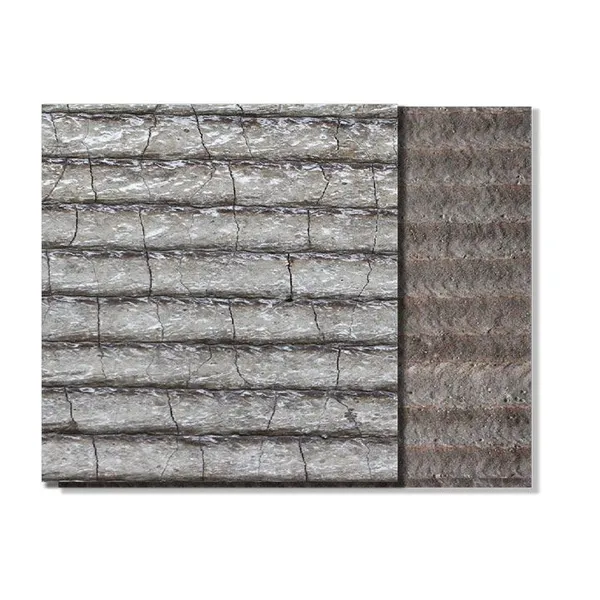
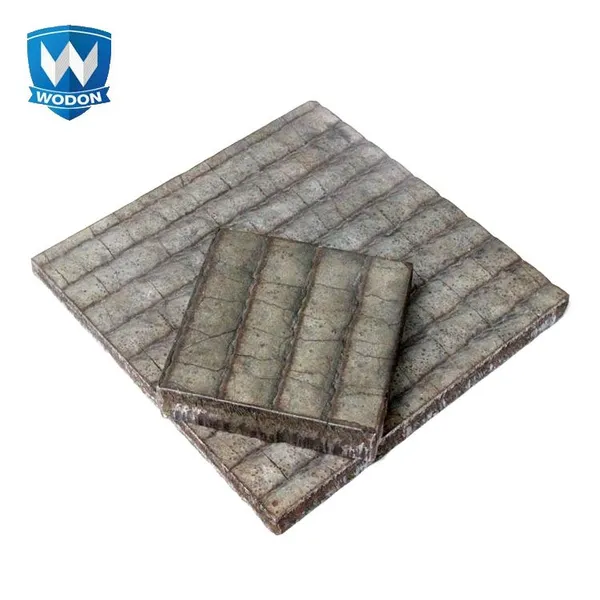
Chromium carbide overlays have been used for industrial wear protection for decades, and the core principle has not changed: deposit a chromium-rich alloy that solidifies into hard Cr₇C₃ carbides on a steel base. What has changed is how precisely that deposit is made.
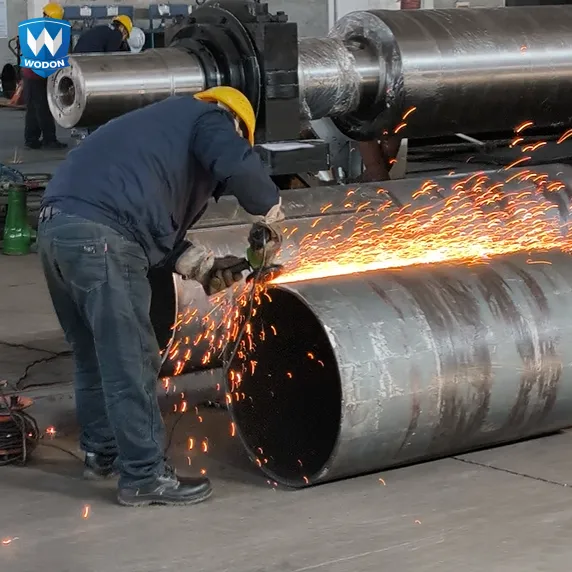
Early overlays were applied by manual welding, with wide variation in hardness and thickness from plate to plate. The shift to automatic open-arc welding in the late twentieth century brought consistency, and the last ten to fifteen years have added finer control of chemistry, heat input, and carbide morphology.
The result is a product line that looks similar on the surface but performs more predictably in service — lower scatter in hardness, fewer defects, and better repeatability from batch to batch.
The producers driving these changes are typically specialized manufacturers rather than general steel mills. A dedicated overlay producer can invest in controlled welding lines and metallurgical testing because wear plate is its core business. China Wodon, for example, manufactures chromium carbide overlay wear plate on automated open-arc lines and publishes hardness and chemistry data with each production batch, which is the kind of documentation the newer process control makes possible.
2. Advance 1: Higher Deposition Rates
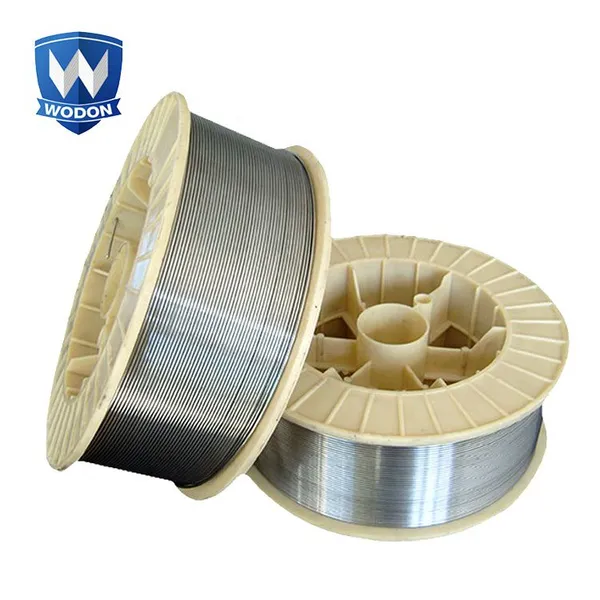
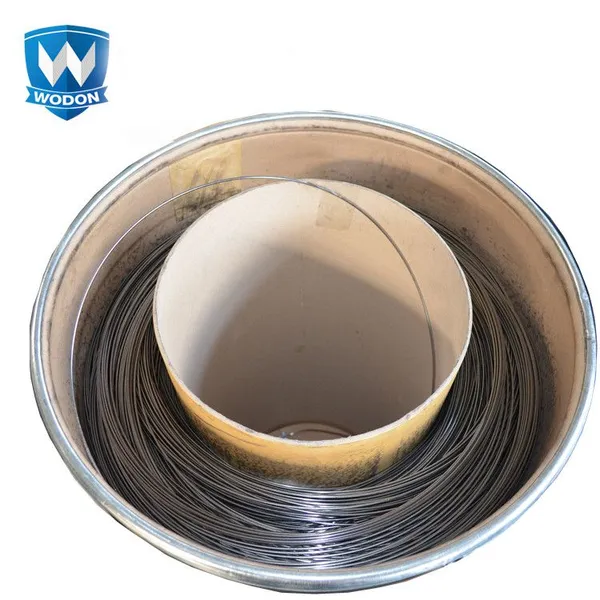
Deposition rate is the mass of weld metal applied per hour, and it drives both production cost and plate price. Modern hardfacing flux core wire, run on automatic open-arc systems at higher current densities, deposits metal faster than the equipment of a decade ago.
Large-diameter wires now deposit in the range of roughly 6 to 12 kg per hour under production conditions, depending on the wire size and current. Higher deposition rates shorten production time for thick overlays and reduce the cost per square meter of heavy plate.
Deposition efficiency has improved as well. Better flux formulations reduce spatter and slag loss, so a higher share of the wire becomes useful deposit. Buyers see the benefit in more consistent plate thickness and lower pricing on multi-layer overlays.
The equipment side has kept pace. Modern power sources deliver stable high-current output for long production runs, and wire feeders maintain constant speed even on large coils. This stability is what allows thick overlays — 8 to 12 mm — to be deposited in multiple passes without the start-stop defects that interrupted earlier production runs.
3. Advance 2: Finer Carbide Microstructures
Carbide size and distribution determine wear resistance. Finer, uniformly distributed Cr₇C₃ carbides resist abrasive cutting better than coarse, clustered carbides, because the hard phase covers the surface more evenly.
Process control now produces finer structures through lower heat input per pass and faster cooling. Twin-wire and oscillated deposition techniques spread the heat, while precise travel speed control keeps the carbide morphology consistent across the plate.
Microstructural uniformity matters beyond the surface. A plate with consistent carbide distribution wears evenly, which makes service life predictable. Earlier plates sometimes contained soft bands between passes that wore prematurely; modern control minimizes these weak zones.
Cooling control plays a larger role than it once did. Water-cooled backing plates and controlled interpass temperature keep the cooling rate within the window that produces fine carbides. Too slow a cool allows coarse carbides to grow; too fast can trap stress. Producers that manage this window consistently deliver the fine, uniform structure that wear tests reward.
4. Advance 3: Advanced Alloy Formulations
Beyond the classic high-chromium formulation, alloy systems have become more sophisticated. Small additions of niobium, titanium, or boron are used to refine carbides or to form secondary hard phases that complement the chromium carbides.
Each addition shifts the wear profile. Niobium forms very hard NbC particles that improve resistance to severe abrasion; titanium plays a similar role at lower cost; boron refines the structure and can improve hardness. Manufacturers match these formulations to specific service conditions rather than offering a single universal alloy.
The practical effect is a wider selection of overlay grades. A buyer can now specify a tougher grade for impact service or a harder grade for pure abrasion, instead of accepting one compromise alloy for every job.
5. Advance 4: Automated and Robotic Deposition
Automation has transformed production consistency. Robotic cells now deposit overlays with repeatable travel speed, weave pattern, and heat input, eliminating the variability that manual or semi-automatic welding introduced.
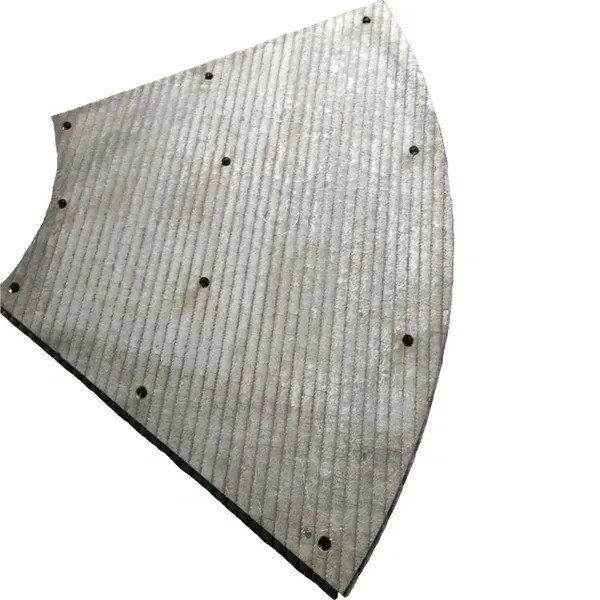
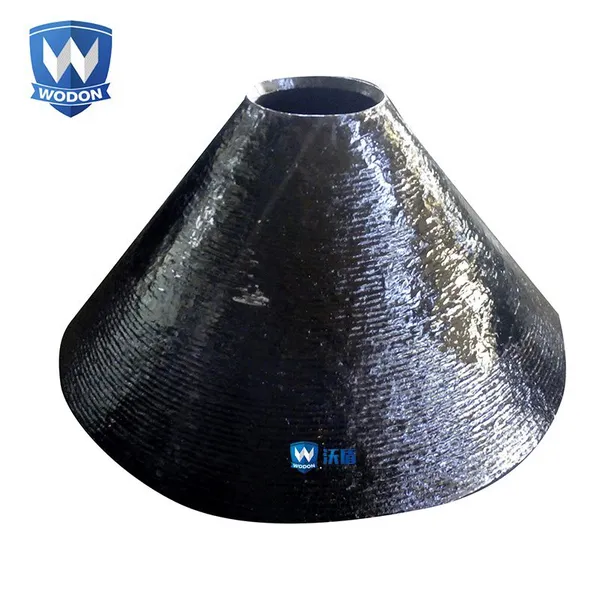
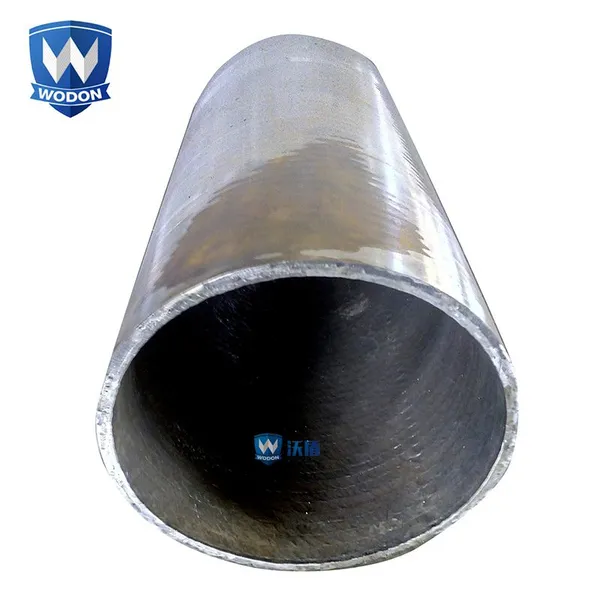
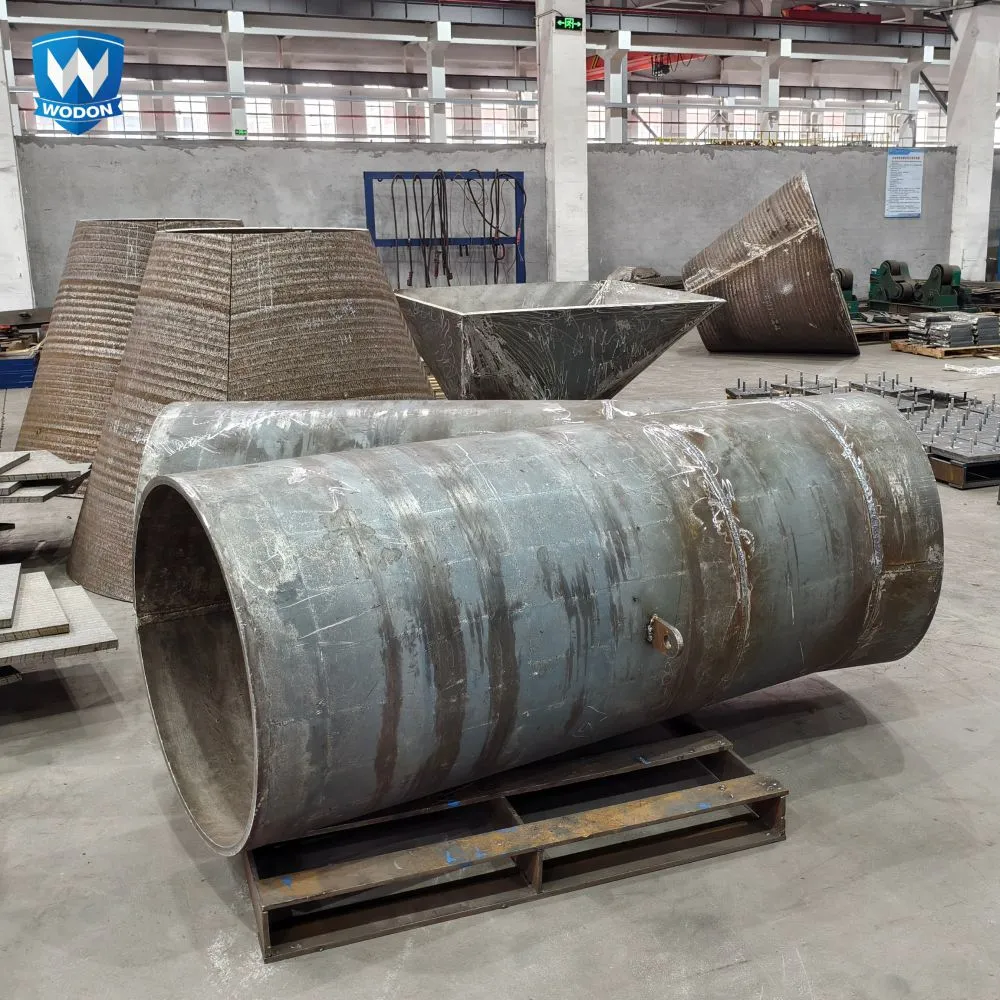
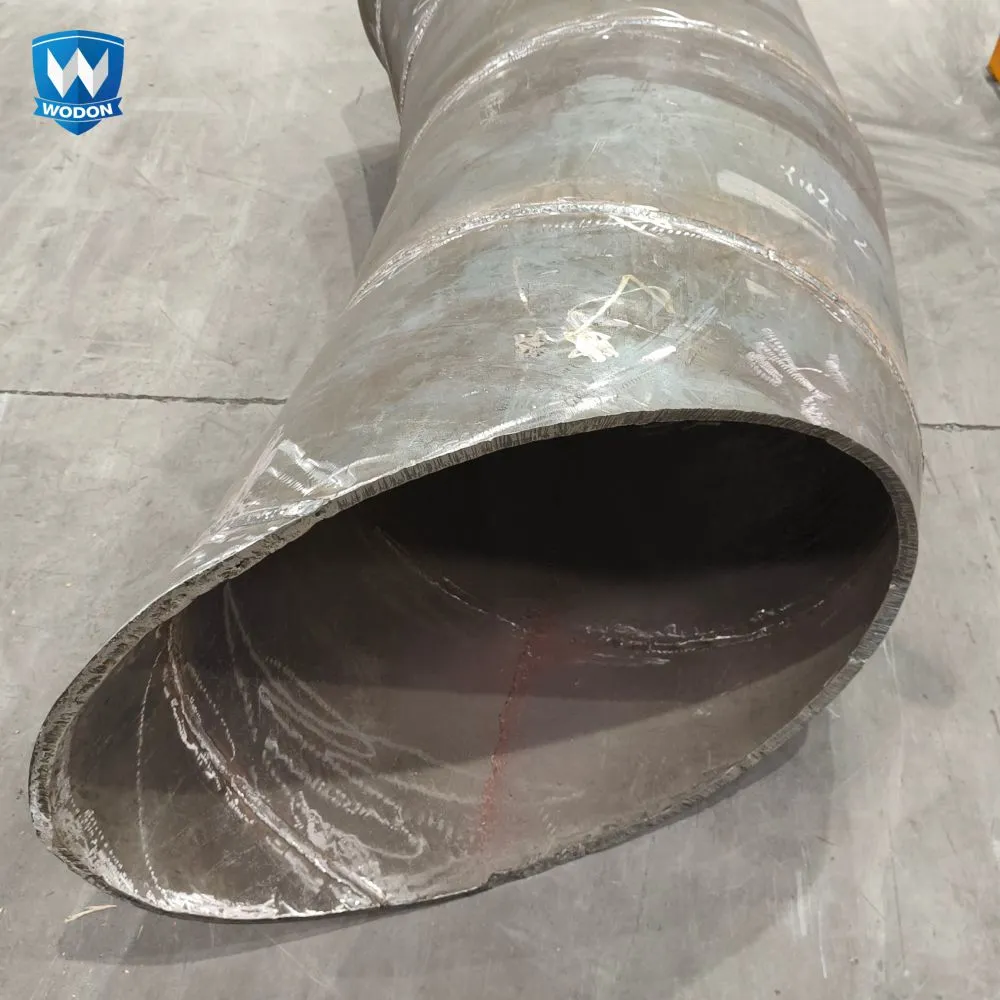
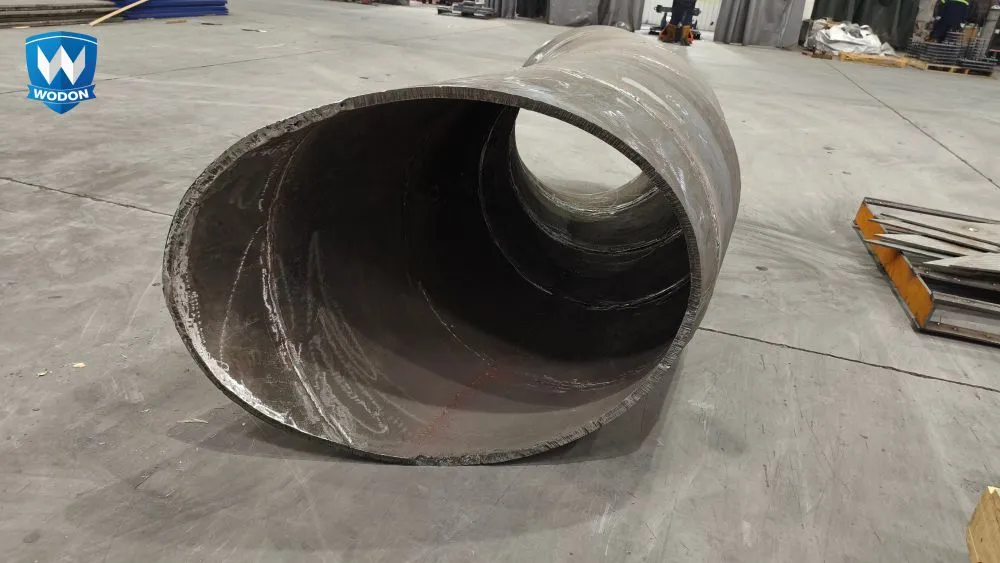
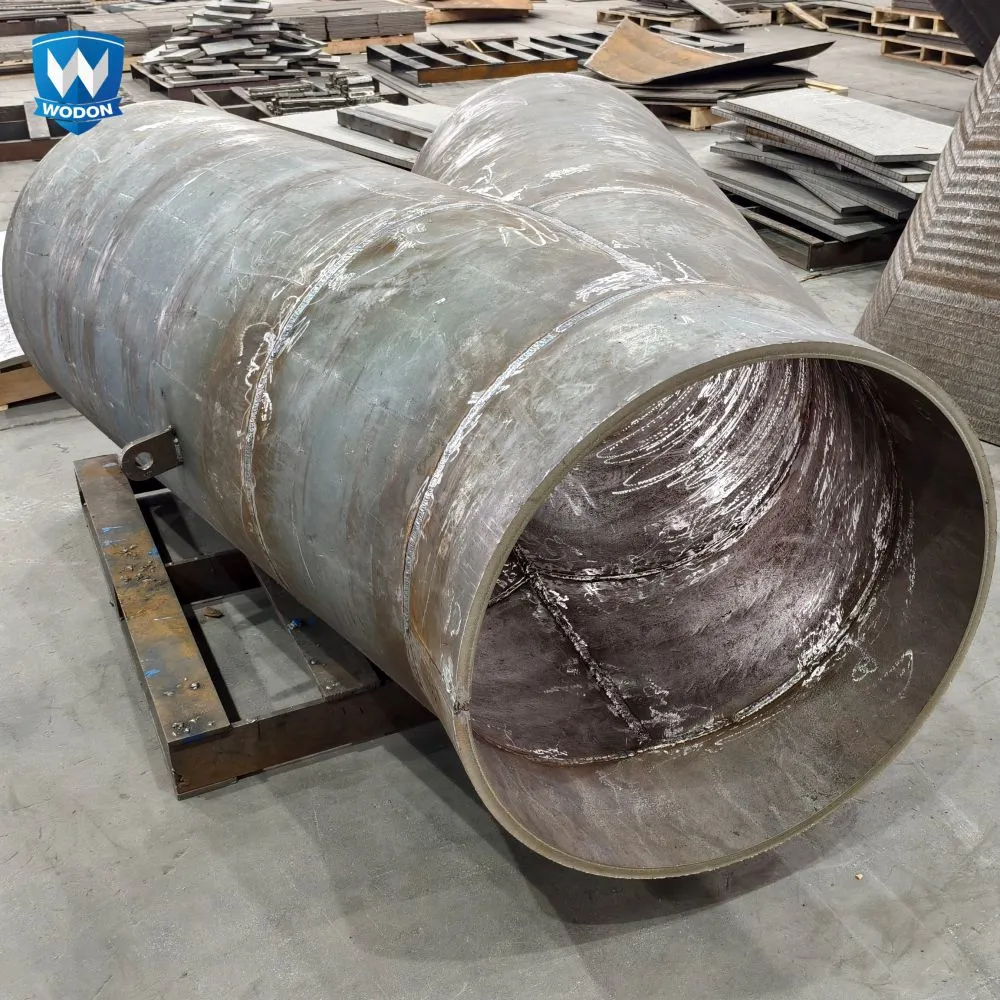
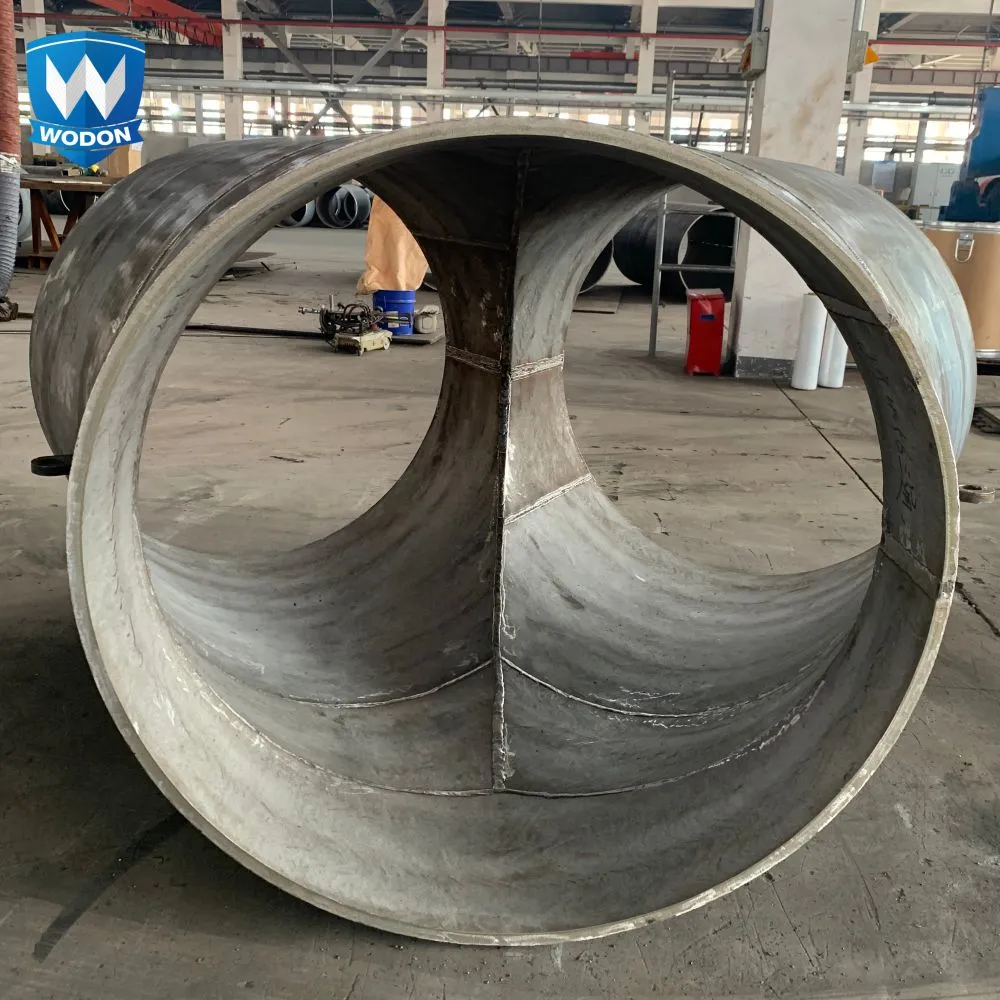
Automated lines also enable complex patterns. Oscillating deposition widens each pass and reduces the number of weld overlaps, which are natural weak points in an overlay. Some producers apply continuous spiral patterns on wear pipe, giving uniform coverage around the circumference.
For end users, automation shows up as better plate-to-plate consistency. The first plate of a batch and the last are now virtually identical, which simplifies quality acceptance and makes performance data from one installation transferable to the next.
Automated deposition also raises the value of the consumable. The same hardfacing flux core wire performs differently on a stable robotic system than under a hand-held torch, because heat input and travel speed are held constant. Shops that adopt mechanized welding get closer to the manufacturer's rated deposit hardness than those relying on manual technique.
6. Advance 5: Improved Process Control and Quality Data
Modern production is instrumented. Welding current, voltage, travel speed, and interpass temperature are logged continuously, and out-of-range conditions are corrected in real time rather than discovered at inspection.
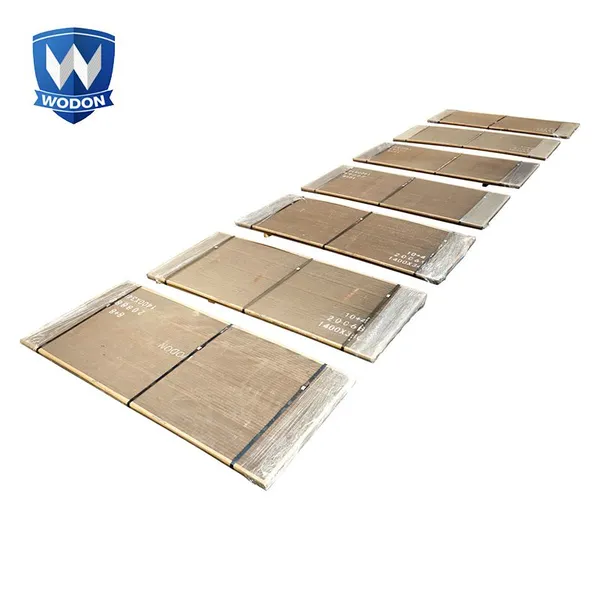
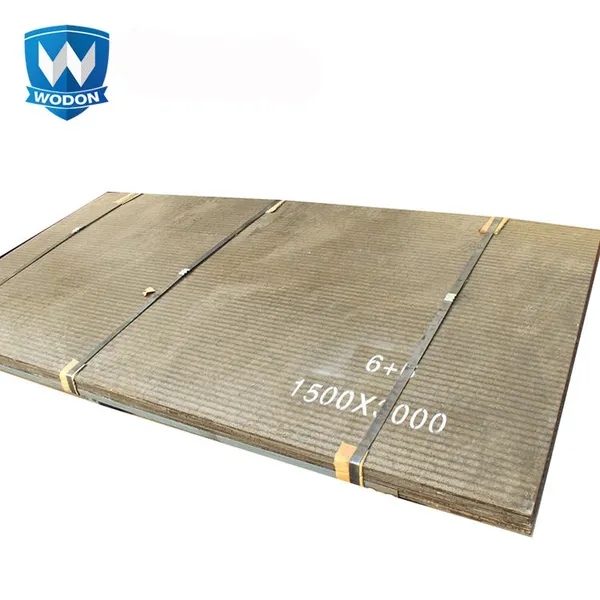
Quality documentation has improved with it. A contemporary overlay plate shipment can include hardness mapping across the surface, overlay thickness measurements, and chemical analysis of the deposit. This data lets a buyer verify the product against the specification at the receiving dock.
Non-destructive testing has also become more accessible. Ultrasonic thickness measurement of the overlay is routine, and acceptance criteria such as crack-pattern spacing are now specified in purchase orders rather than left to visual judgment.
Batch traceability rounds out the picture. A production lot can now be traced back to its base plate coils, wire batches, and welding records. When a plate performs differently in service, that traceability lets the manufacturer investigate the root cause and adjust the process, closing the loop between field feedback and production improvement.
7. What These Advances Mean for End Users
The combined effect is a wear protection product that is more predictable and better documented. For a maintenance manager, predictable life means planned replacement rather than emergency repair, and documented quality means fewer disputes at delivery.
Cost per tonne of material handled has declined in practice because overlays last longer and fail more uniformly. Even where unit prices rose with better alloys, the extended service life has generally reduced the overall cost of wear protection in severe duty.
For a procurement team, the advances simplify supplier evaluation as well. Hardness mapping, thickness reports, and chemistry data give objective criteria that can be compared across quotes, replacing the old practice of comparing only price per square meter and trusting the label.
The wider grade selection also reduces the temptation to over-specify. A plant can install a tougher, moderately hard grade where impact dominates and a maximally hard grade where abrasion dominates, matching cost to the actual wear mechanism.
Wodon Wear Resistant New Material offers this grade split across its wear plate range, with documentation that lets a buyer verify which grade was delivered. The company's product line also includes the corresponding hardfacing flux core wire, so a plant using CCO plate for liners can rebuild or repair with the same alloy family rather than managing several consumables.
8. A Field Example: Multi-Grade Application
An iron ore terminal in Brazil began specifying separate overlay grades for different chute zones a few years ago. Impact zones used a tougher formulation with refined carbides, while the long sliding sections used a maximum-hardness grade. The terminal reported that the combination extended average liner life by roughly 40% compared with the single universal grade it had used previously.
A second example is a power plant that adopted automated wear pipe production for its ash handling lines. The spiral-pattern overlay produced by the automated process showed uniform thickness along the pipe, and the plant's erosion failures, which had previously clustered at pipe joints, moved to the normal wear-out pattern the maintenance team could plan around.
Both cases share a common lesson. The gains came not from one exotic feature but from consistent application of several improvements — refined grades, controlled processes, and documented quality. The equipment that benefits most is exactly the high-wear, high-downtime-cost equipment where predictable liner life has the largest financial impact.
9. How to Take Advantage of the Advances
First, update your specifications. If your drawings specify an overlay grade written years ago, ask suppliers what current grades match your service conditions, and whether hardness mapping and thickness reports are available as standard documentation.
Second, standardize the testing protocol. Specify the acceptance criteria — surface hardness range, overlay thickness, carbide content where measurable — in the purchase order, so every supplier quotes against the same target.
Third, build a simple wear database. Record the overlay thickness measured at each inspection and the tonnes handled between inspections. Over two or three liner cycles, the data reveals which grade and configuration genuinely performs in your plant, independent of any supplier's claims.
Suppliers are usually willing to support this evaluation. Jiangsu Wodon Wear Resistant New Material Co., Ltd. provides sample plates and technical data for a trial installation, and its engineers review application drawings to confirm the overlay grade and thickness before ordering. A small, well-instrumented trial is often the fastest route to adopting the newer technology with confidence.
10. FAQ: Advances in Chromium Carbide Overlay Technology
10.1 Are finer carbides always better for wear resistance?
Not always. Finer, uniformly distributed carbides improve resistance to sliding abrasion because the hard phase covers the surface evenly. In high-impact service, a somewhat coarser structure with a tougher matrix can outlast the finer grade by resisting cracking better. The optimal microstructure depends on the wear mechanism at the application point.
10.2 How much faster is modern deposition than older equipment?
Production deposition rates have risen by roughly 30% over the past decade, with large-diameter wires now depositing in the range of 6 to 12 kg per hour. Deposition efficiency has also improved, so a higher share of the wire becomes usable deposit. The result is shorter production times and more competitive pricing on thick overlays.
10.3 What quality data should a modern overlay shipment include?
A complete shipment should include a hardness report for the overlay surface, overlay thickness measurements, chemical analysis of the deposit, and base plate mill certificates where relevant. Hardness mapping across the plate and ultrasonic overlay thickness readings indicate a manufacturer with real process control, and they give the buyer objective acceptance criteria.
10.4 Do these advances apply to hardfacing flux core wire as well?
Yes. The wire is where the chemistry originates, and the same formulation work that refines plate overlays applies to the wire sold for on-site rebuilding. Modern hardfacing flux core wire offers consistent fill chemistry, documented deposition data, and grades matched to specific wear mechanisms, allowing shops to reproduce the plate manufacturer's quality during repair work.
Recently Posted
-
Chromium Carbide Overlay Wear Plate in Cement Plants: Protecting Fans, Separators, and Ductwork
September 4, 2026A cement plant in North Africa was shutting down its raw mill fan every five months to patch holes worn through the fan casing and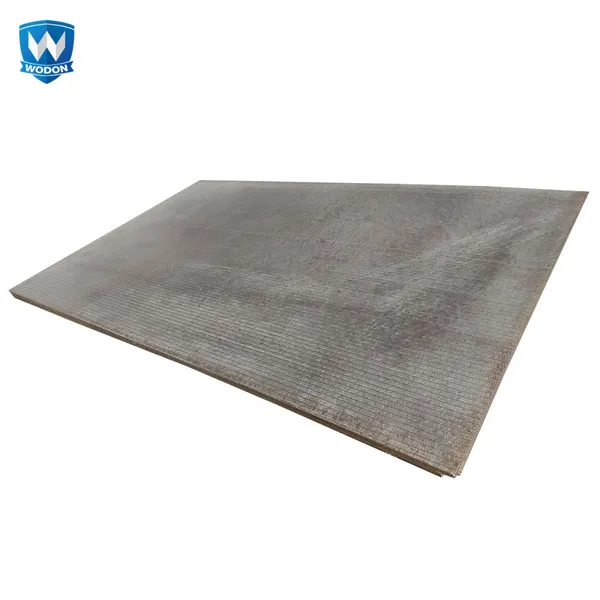 Read More
 -
Selecting Hardfacing Flux Core Wire: 7 Key Parameters to Evaluate Before Buying
September 3, 2026A steel mill maintenance manager ordered a low-priced hardfacing wire for rebuilding crusher hammers, attracted by a price roughly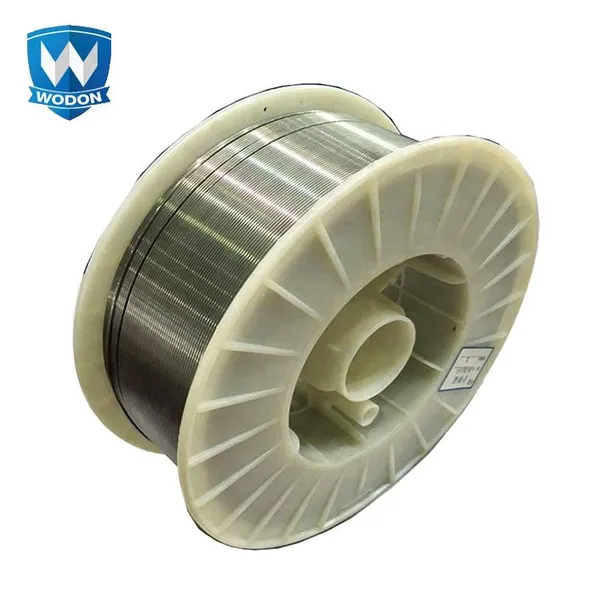 Read More
 -
CCO Wear Plate vs. Ceramic Alumina Lining: Which Solution Fits Your Abrasion Challenge?
September 3, 2026A quarry operator had lined the feed chute of his secondary crusher with ceramic alumina tiles. Within six weeks, the tiles in the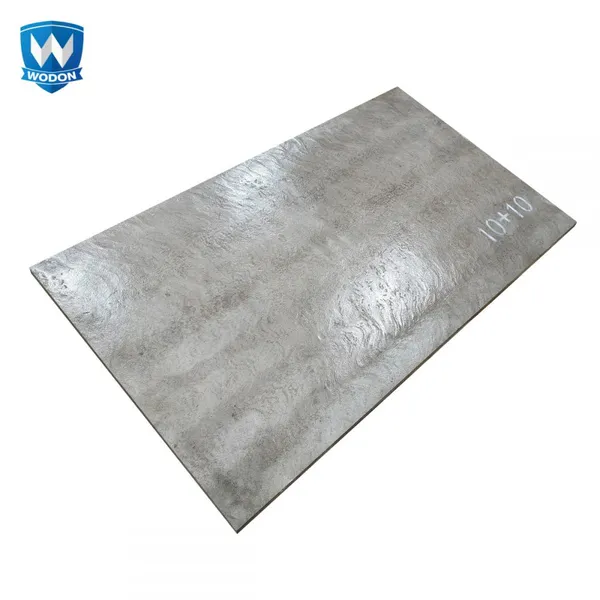 Read More
 -
Understanding CCO Wear Plate: The Bimetallic Structure and Carbide Layer Explained
September 2, 2026A maintenance supervisor at a coal preparation plant watched his transfer chute fail for the fifth time in eighteen months. The 14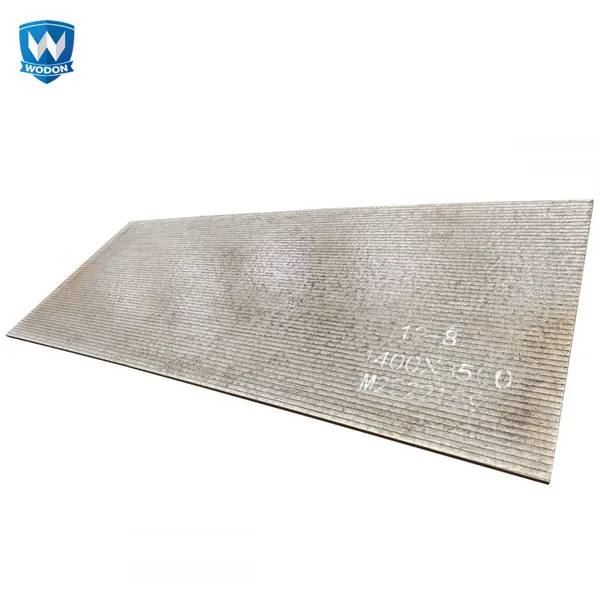 Read More

Contact Us
Recommended Products
-
 Chromium Carbide Overlay Wear Plate WD-1900 Smooth Surface CCO Wear PlateNegotiableMOQ: 1 Square Meter
 -
Hardfacing Wear Resistant Flux Cored Welding Wire With High HardnessNegotiableMOQ: 1 Kilogram
-
High Abrasion Resistant Hardfacing Wear Liners Chromium Carbide Overlay Cco Bimetallic Wear PlateNegotiableMOQ: 1 Square Meter
-
Chrome Carbide Wear Resisting Plate High Wear Steel Plate Wear Liner Platebimetallic Wearable Lining Plate Bucket ExcavatorCHF 300 - 300MOQ: 1 Square Meter
-
Wodon Customizable Steel Flux Cored Welding Wire Manufacturer's Valve Surfacing Gas Shielding OEM SupportUS$ 4.02 - 4.02MOQ: 1 Kilogram
-
Abrasive Resistence Wear Parts Overlay Carbon Chromium Steel PlateNegotiableMOQ: 1 Square Meter
-
Wear Plates for Heavy Duty Mining Applications High Chromium Carbide Overlay Abrasion Resistant and Customizable SizesNegotiableMOQ: 1 Square Meter
-
Hardfacing Truck Liner Plate Chromium Carbide Overlay Wear Plate Cladded PlateNegotiableMOQ: 1 Square Meter
-
Custom Overlaying Wear Plate - Economical Choice for Durable Industrial Applications, High-Quality Fabrication, 55HRC HardnessNegotiableMOQ: 1 Square Meter
-
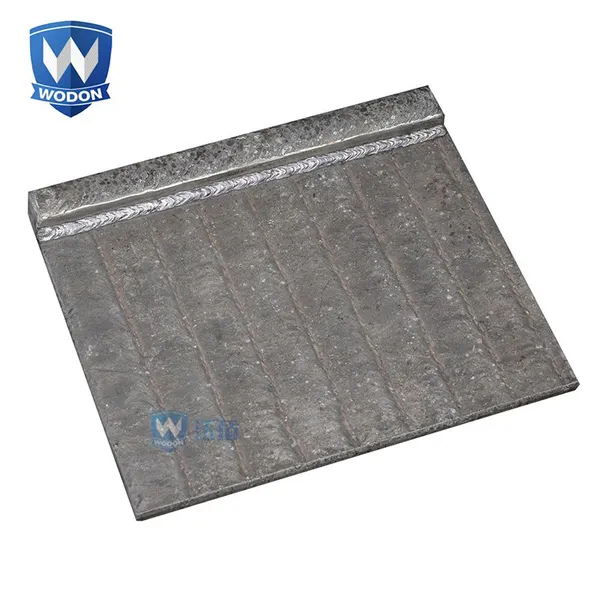
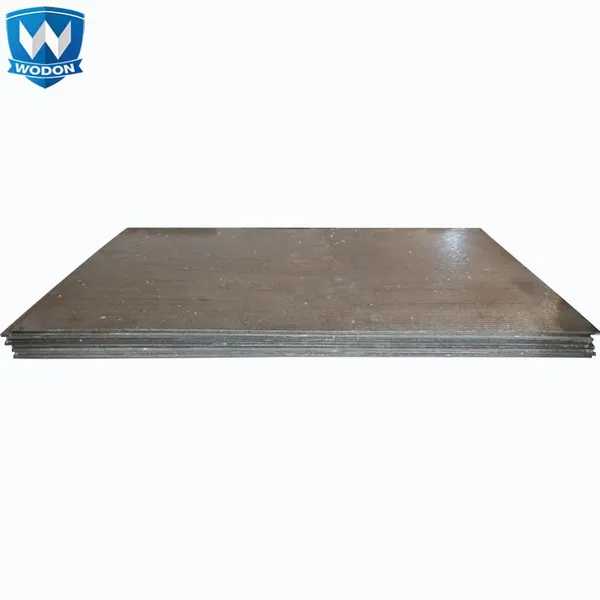
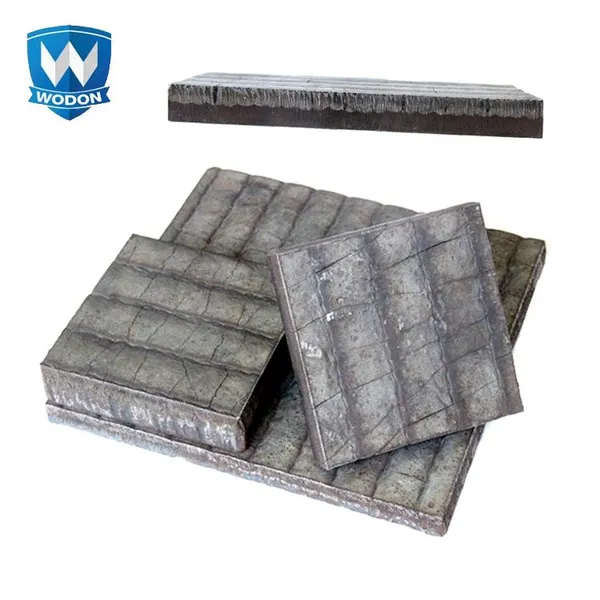
Wear Abrasion Resistant Overlay High Carbon High Chromium Steel PlateNegotiableMOQ: 1 Square Meter
-
Wear Resistant Steel Plate 6mm 8mm 12mm Thickness Hot Rolled Carbon Steel Plate Wear PlateNegotiableMOQ: 1 Square Meter
-
Bimetallic Cco Clad Composite Overlay Hardfacing Wear Resistant Steel PlateNegotiableMOQ: 1 Square Meter
-
High-Performance Wear Plates for Cement Mills Chromium Carbide Overlay Long Service Life Reliable PerformanceNegotiableMOQ: 1 Square Meter
-
Wear Resistant Steel Plate Liners for Chutes Special Use Wear LinersNegotiableMOQ: 1 Square Meter
-
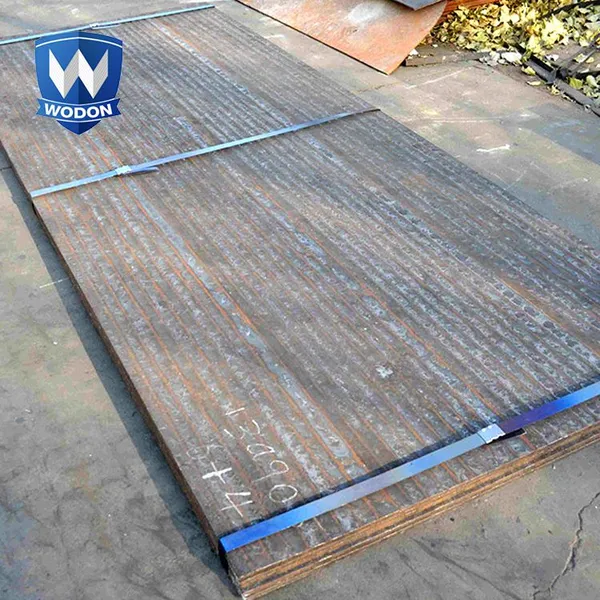
Cco Hardfacing Surfacing Tungsten Carbide Wear Resistant Plates Liner for SilosNegotiableMOQ: 1 Square Meter
-
Wodon Chromium Alloy Bimetal Hardfacing Plate for Mining MachineryCHF 300 - 300MOQ: 1 Square Meter
-
Hardfacing Abrasion High Wear Resistant Performance Cladding Plate TubeUS$ 399.69 - 399.69MOQ: 1 Square Meter
-
Hardfacing Plates for Manufacture Industry Value High Chrome Wear PlateUS$ 100 - 300MOQ: 1 Square Meter
-
Customizable OEM/ODM Wear-Resistant Soldering & Surfacing Flux Cored Welding WiresUS$ 9.9 - 9.9MOQ: 1 Kilogram
-
Chromium Carbide Round Pipe 6m and 12m Lengths Bending & Cutting Services Welding Technique Saw TechniqueUS$ 6 - 6MOQ: 1 Square Meter